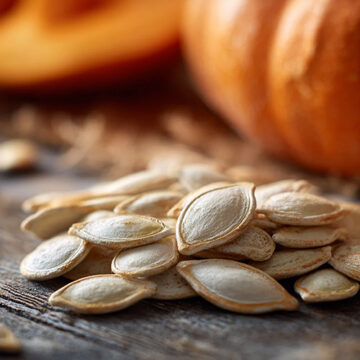
Seeds have long been celebrated in nutrition circles for their dense nutrient profiles, antioxidants, and plant-based proteins. From chia to flax, these tiny powerhouses are often marketed as “superfoods” capable of improving heart health, digestion, and even energy levels. But which seeds truly deliver measurable benefits, and which claims are more marketing than science? Let’s break down 6 super seeds and what they can realistically do.
Chia, flax, and hemp: fiber, omega-3s, and heart health
Chia seeds are rich in soluble fiber, which absorbs water and forms a gel-like consistency in the gut. This can support digestion, promote satiety, and help regulate blood sugar. Chia also contains omega-3 fatty acids, contributing to heart and metabolic health. However, the benefits are modest unless consumed consistently as part of a balanced diet.
Flax seeds: Hormone balance and antioxidant power
Flax seeds are notable for lignans, plant compounds with antioxidant properties, and omega-3s. Lignans may offer mild support for hormonal balance and cardiovascular health. Ground flax seeds are easier to digest, allowing your body to absorb their nutrients more effectively.
Hemp seeds: Protein and mineral support
Hemp seeds provide a complete plant-based protein, making them ideal for vegan or vegetarian diets. They also contain magnesium, zinc, and essential fatty acids. While not a replacement for whole-protein sources, hemp seeds can enhance overall nutrition when sprinkled on salads, smoothies, or breakfast bowls.
Pumpkin, sunflower, and sesame, nutrient-dense mini snacks
Pumpkin seeds are rich in zinc, magnesium, and antioxidants, supporting immunity, energy metabolism, and cellular repair. A handful of pumpkin seeds can complement a balanced diet and provide a crunchy, nutrient-dense snack.
Sunflower seeds: Heart-healthy fats and vitamin E
Sunflower seeds are loaded with vitamin E and healthy fats, which help protect cells from oxidative stress and support cardiovascular health. While small, their nutrient density makes them an easy addition to salads, yogurt, or trail mixes.
Sesame seeds: Bone strength and mineral boost
Sesame seeds contain calcium, magnesium, and lignans, supporting bone health and antioxidant defense. Tahini, a sesame paste, is a convenient way to integrate these benefits into your diet.
Kombucha not always as healthy as it seems
Despite its healthy image, kombucha can contain added sugars and variable alcohol levels due to fermentation. Excessive consumption may lead to digestive upset, bloating, or imbalances in sensitive individuals.
Homemade kombucha also carries contamination risks if not prepared properly. For most people, moderate intake of commercially regulated kombucha is safe—but it should complement, not replace, a balanced diet rich in whole foods.
Conclusion
Seeds are undeniably nutrient-dense and versatile, offering fiber, healthy fats, antioxidants, and plant-based protein. However, they are supportive, not miracle foods. Regular inclusion of chia, flax, hemp, pumpkin, sunflower, and sesame seeds can enhance overall nutrition, support heart and digestive health, and boost immunity, but they should complement a balanced diet rather than replace whole-food variety.
In short, seeds are tiny but powerful allies in a wholesome, sustainable nutrition plan—and when combined with vegetables, fruits, and lean proteins, they can contribute meaningfully to long-term wellness.