Medically reviewed by:

Seeds may be small, but nutritionally they are dense powerhouses. Packed with fiber, healthy fats, plant protein, antioxidants, and essential minerals, many seeds are linked to improved heart health, better digestion, and metabolic support.
But are “super seeds” truly superior, or is this just marketing? In this evidence-based guide, we explore six popular seeds, what science says about their benefits, and how to include them in a balanced diet.
Why seeds are nutritional powerhouses
Seeds are embryonic plants, meaning they contain concentrated nutrients needed to support growth. As a result, they are naturally rich in:
- Fiber (supports digestion and blood sugar control)
- Omega-3 and omega-6 fatty acids (important for heart and brain health)
- Plant protein
- Micronutrients like magnesium, zinc, selenium, and iron
- Polyphenols and antioxidants
Diets rich in plant foods, including nuts and seeds, are consistently associated with lower cardiovascular risk and improved metabolic markers.
Fiber and healthy fats: The core advantage
Most seeds contain soluble and insoluble fiber. Soluble fiber helps lower LDL (“bad”) cholesterol and stabilize blood sugar, while insoluble fiber supports bowel health. Seeds such as chia and flax are particularly high in alpha-linolenic acid (ALA), a plant-based omega-3 fatty acid associated with heart health. However, seeds are calorie-dense. Portion awareness matters, typically 1–2 tablespoons per serving.
» READ MORE: Best foods that support heart health naturally
6 super seeds and what research says
Chia seeds
Chia seeds are rich in fiber, ALA omega-3s, and antioxidants. Some studies show chia consumption may modestly improve blood pressure and lipid profiles, particularly in people with metabolic risk factors.
Because they absorb water and form a gel-like texture, chia seeds may also increase satiety, potentially supporting weight management.
Critical note: Evidence is promising but not definitive. Benefits are strongest when chia replaces less healthy foods, not when simply added to an already high-calorie diet.
Flaxseeds
Flaxseeds contain lignans (plant compounds with antioxidant properties) and are one of the richest plant sources of omega-3 ALA.
Research suggests ground flaxseed may:
- Reduce LDL cholesterol
- Improve blood pressure
- Support digestive health
Flax must be ground to maximize nutrient absorption.
Pumpkin seeds
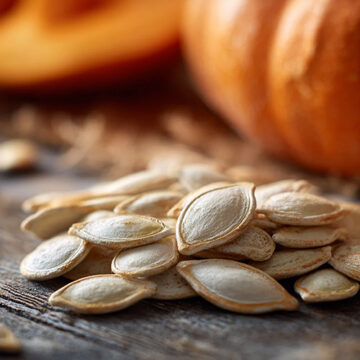
Pumpkin seeds are high in magnesium, iron, zinc, and plant protein. Magnesium plays a key role in muscle, nerve, and heart function. Some evidence links pumpkin seed intake to improved prostate health and better sleep quality due to tryptophan content.
Sunflower seeds
Sunflower seeds provide vitamin E, an antioxidant that helps protect cells from oxidative stress. They also contain healthy fats and selenium. Because many commercial varieties are salted, sodium intake should be monitored.
Sesame seeds
Sesame seeds contain lignans such as sesamin, which may have antioxidant and cholesterol-lowering properties. Tahini (sesame paste) retains many of these nutrients. Emerging studies suggest potential benefits for lipid profiles, though larger trials are needed.
Hemp seeds
Hemp seeds provide complete plant protein (containing all nine essential amino acids) and a balanced omega-6 to omega-3 ratio. They may support heart health and inflammation regulation, although long-term clinical data remain limited.
» READ MORE: Understanding omega-3 fatty acids and health
How to include seeds in a balanced diet
Simple ways to add seeds without overconsumption:
- Sprinkle on yogurt or oatmeal
- Blend into smoothies
- Add to salads
- Mix into whole-grain bread or homemade granola
- Use tahini in dressings
Aim for 1–2 tablespoons daily, rotating types for nutrient diversity.
Conclusion: Small foods, meaningful benefits
Seeds are not miracle cures, but they are nutrient-dense, affordable additions to a healthy eating pattern.
Key takeaways:
- Rich in fiber, healthy fats, and antioxidants
- Support heart, digestive, and metabolic health
- Most effective when replacing ultra-processed foods
- Portion size matters
Incorporating a variety of seeds into a balanced diet is a practical, evidence-supported strategy for long-term health.
Sources
- Dietary fiber and cardiovascular disease risk reduction:
https://www.hsph.harvard.edu/nutritionsource/carbohydrates/fiber/ - Omega-3 fatty acids and heart health overview:
https://ods.od.nih.gov/factsheets/Omega3FattyAcids-Consumer/ - Magnesium and human health functions:
https://ods.od.nih.gov/factsheets/Magnesium-Consumer/ - Vitamin E antioxidant functions:
https://ods.od.nih.gov/factsheets/VitaminE-Consumer/