Medically reviewed by:

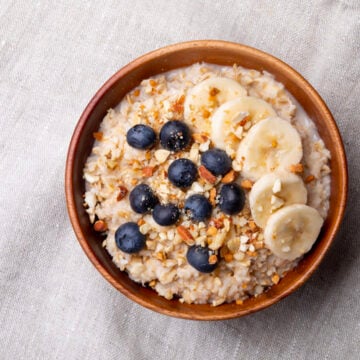
Fiber is often associated with preventing constipation, but its benefits extend far beyond bowel regularity.
» READ MORE: Best foods that support heart health naturally
Soluble vs insoluble fiber
Soluble fiber
Dissolves in water, forming a gel-like substance. Helps lower cholesterol and stabilize blood sugar.
Insoluble fiber
Adds bulk to stool and supports regular bowel movements.
Both types are essential for digestive balance.
Fiber and the gut microbiome
Certain fibers act as prebiotics, feeding beneficial gut bacteria. These bacteria produce short-chain fatty acids that:
- Strengthen the intestinal barrier
- Reduce inflammation
- Support immune health
Low fiber intake is associated with reduced microbial diversity.
» READ MORE: 6 super seeds and their proven health benefits
Supportive and critical perspectives
Supportive
- High-fiber diets reduce risk of colorectal cancer and cardiovascular disease.
- Associated with improved metabolic health.
Critical
- Rapid increases in fiber can cause bloating.
- Individuals with certain gastrointestinal conditions may need personalized guidance.
Conclusion: Increase fiber gradually and consistently
Aim for 25–38 grams per day depending on age and sex. Increase intake slowly and drink adequate water.
Sources
- Fiber and digestive health overview:
https://www.hsph.harvard.edu/nutritionsource/carbohydrates/fiber/ - Dietary fiber recommendations:
https://www.cdc.gov/nutrition/