Medically reviewed by:

Heart disease remains the leading cause of death globally, but nutrition is one of the most powerful tools we have to reduce risk. The encouraging news: you don’t need exotic ingredients or extreme diets. Consistent research shows that everyday foods can significantly support cardiovascular health.
» GROUNDBREAKING: Japan approves first iPSC stem cell therapies
How diet influences cardiovascular health
The heart is affected by multiple dietary factors, including:
- LDL (“bad”) cholesterol
- Blood pressure
- Blood sugar regulation
- Chronic inflammation
- Body weight
Dietary patterns such as the Mediterranean diet consistently show reduced risk of heart disease because they emphasize whole, minimally processed foods.
» READ MORE: Understanding omega-3 fatty acids and health
Key foods that protect the heart
Fatty fish and omega-3 sources
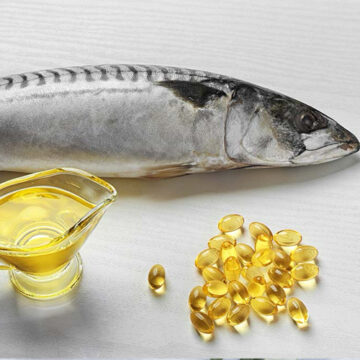
Fatty fish like salmon, sardines, and mackerel are rich in EPA and DHA omega-3 fatty acids. These fats help reduce triglycerides, lower inflammation, and may reduce arrhythmia risk.
Plant sources (chia, flax, walnuts) provide ALA omega-3, which offers some cardiovascular benefits, though conversion to EPA/DHA is limited.
Whole grains and soluble fiber
Oats, barley, and whole wheat contain soluble fiber, which binds cholesterol in the digestive tract and helps reduce LDL levels. Replacing refined grains with whole grains improves long-term cardiovascular outcomes.
Nuts, seeds, and healthy fats
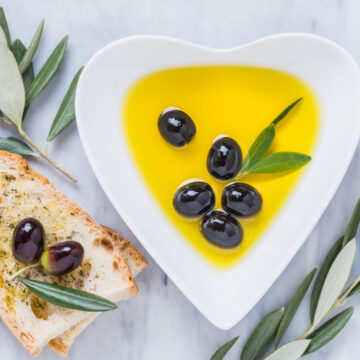
Almonds, walnuts, flaxseeds, and olive oil provide unsaturated fats that improve cholesterol balance. Extra virgin olive oil, a staple of the Mediterranean diet, is associated with lower cardiovascular events.
» READ MORE: 6 super seeds and their proven health benefits
Supportive and critical perspectives
Supportive evidence
- Strong epidemiological and clinical trial data support plant-forward dietary patterns.
- Soluble fiber and omega-3 intake consistently improve lipid markers.
Important considerations
- No single “superfood” prevents heart disease.
- Benefits depend on overall dietary patterns and lifestyle factors such as exercise and smoking status.
Conclusion: Heart health is built on patterns, not perfection
Supporting heart health means prioritizing:
- Fruits and vegetables
- Whole grains
- Nuts and seeds
- Healthy fats
- Fatty fish
Small, sustainable changes, such as swapping refined snacks for nuts or choosing olive oil over butter, can make measurable differences over time.
Sources
- Dietary fiber and heart disease overview:
https://www.hsph.harvard.edu/nutritionsource/carbohydrates/fiber/ - Omega-3 fatty acids and cardiovascular health:
https://ods.od.nih.gov/factsheets/Omega3FattyAcids-Consumer/ - Mediterranean diet and heart protection:
https://www.heart.org/en/healthy-living/healthy-eating/eat-smart/nutrition-basics/mediterranean-diet