Medically reviewed by:


Healthy, radiant skin doesn’t come solely from creams and serums, your diet plays a powerful role too. The foods you eat supply nutrients that nourish skin cells, support collagen production, protect against oxidative damage, and help maintain hydration and elasticity. While no single food is a magic cure‑all, a balanced diet rich in specific skin‑boosting nutrients has been linked to healthier, more resilient skin over time.
In this evidence‑based guide, we’ll explore key foods and the science behind how they benefit your skin, along with balanced perspectives on expectations and limits.
» READ MORE: How to treat sunburn: Expert tips that work
Essential nutrients for skin health and why they matter
At the cellular level, the skin needs:
- Antioxidants to neutralize free radicals and protect against oxidative damage
- Essential fats to support the moisture barrier and reduce inflammation
- Vitamins and minerals that contribute to collagen synthesis, healing, and cell turnover
Many plant and animal foods provide these nutrients in forms your body can readily use.
How antioxidants protect skin
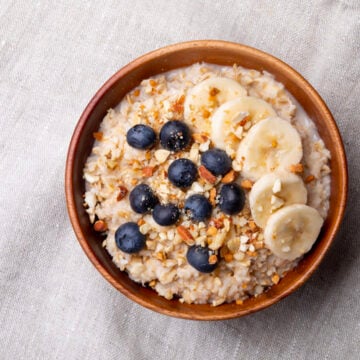
Antioxidants such as vitamins C and E help protect the skin from oxidative stress, unstable molecules that can damage DNA, proteins, and cell membranes. Free radicals from UV exposure, pollution, and metabolic processes can accelerate aging. Diets rich in antioxidant‑rich foods like berries, leafy greens, and citrus fruits supply compounds that counter this damage, helping reduce fine lines and uneven pigmentation.
Essential fats, inflammation, and skin barrier
Omega‑3 fatty acids, found in fatty fish and some plant sources, help maintain your skin’s lipid barrier, which locks in moisture and defends against irritants. This barrier strength supports hydration and can reduce redness and sensitivity. Foods rich in these fats also have anti‑inflammatory properties that benefit skin conditions linked to inflammation.
Top foods that nourish the skin from within
Fatty fish and omega‑3‑rich foods
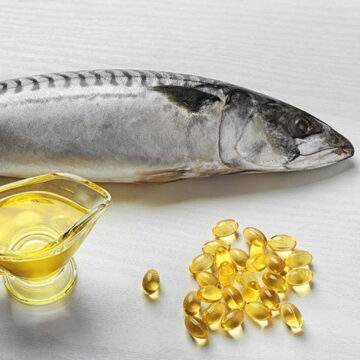
Fatty fish such as salmon, mackerel, and sardines are among the best dietary sources of omega‑3 fatty acids. These fats help keep skin supple and hydrated, support a strong moisture barrier, and may reduce inflammatory responses linked to acne and redness. They also deliver vitamin E, another antioxidant that protects skin cells against damage.
Supportive perspective: Regular intake of omega‑3 rich foods has been associated with improved skin elasticity and moisture.
Critical perspective: Supplements can help in people who don’t eat fish, but whole foods also deliver protein and micronutrients that are beneficial beyond omega‑3s.
Avocados, nuts, and seeds
Avocados, almonds, walnuts, sunflower seeds, and flaxseeds provide healthy fats, vitamin E, and antioxidants that support skin hydration and protect cell membranes. Avocados also offer vitamin C, which is essential for collagen production — the structural protein that keeps skin firm and resilient.
Nuts and seeds contribute zinc and selenium, minerals linked to wound healing, inflammation control, and immune function, all of which matter for healthy skin renewal.
Fruits and colorful vegetables
Colorful plant foods like berries, bell peppers, tomatoes, and leafy greens are rich in antioxidants (vitamin C, beta‑carotene, lycopene) that help counter free radical damage and support collagen integrity. Beta‑carotene from sweet potatoes, carrots, and spinach is converted to vitamin A, which helps regulate skin cell turnover and maintain a healthy texture.
Vitamin C from fruits like citrus, kiwi, and berries is critical for collagen synthesis, helping skin maintain strength and elasticity. It also assists in repairing UV‑induced damage and pigmentation.
Balanced perspective: While these phytonutrients support skin health, they work in concert with broader diet quality and sun protection habits — not in isolation.
» READ MORE: Understanding omega-3 fatty acids and health
How hydration and overall pattern influence skin health
Water itself doesn’t magically clear skin, but adequate hydration supports skin moisture and metabolic processes. Combining hydrating foods (cucumbers, watermelon) with nutrient‑dense options amplifies benefits.
Overall, dietary patterns, like Mediterranean or plant‑rich diets , emphasizing whole foods, lean proteins, and healthy fats show stronger associations with better skin outcomes than diets high in processed foods and sugars. This aligns with general dietary guidance for chronic disease prevention as well.
» READ MORE: 6 super seeds and their proven health benefits
Conclusion: Nourish your skin from the inside out
Food is not a replacement for skincare products, sunscreen, or dermatologist care, but it provides essential building blocks for skin repair, hydration, defense, and resilience.
Key takeaways:
- Include antioxidant‑rich fruits and vegetables to limit oxidative damage.
- Prioritize omega‑3 fats and healthy fats from fish, nuts, seeds, and avocados to support hydration and barrier integrity.
- Vitamins C and E play central roles in collagen production and oxidative protection.
- Hydration and overall diet quality amplify the impact of skin‑supportive foods.
Eating for skin health also supports overall wellness, making skin care a truly whole‑body experience.
FAQ: Diet and skin health
What foods help skin glow?
Foods rich in vitamin C, vitamin E, omega‑3 fats, and antioxidants, like berries, nuts, fatty fish, and colorful veggies, support collagen production, hydration, and defense against oxidative stress.
Can diet reduce wrinkles?
A nutrient‑rich diet helps support collagen and hydration, which may lessen fine lines over time. However, diet works best alongside sun protection and skincare practices.
How much water should I drink for skin health?
There’s no universal “magic number” for skin, but staying well‑hydrated supports skin moisture and overall function. Pairing water with hydrating foods like cucumbers and watermelon is beneficial.
Are supplements needed for skin health?
Whole foods are preferable due to synergistic nutrients. Supplements may help in specific cases (e.g., omega‑3 deficiency) but should be discussed with a healthcare provider.
Sources
- Nutrition’s role in skin health:
https://skinhealthfoundation.org/the-role-of-nutrition-in-skin-health-foods-that-nourish-your-skin/ - Healthline list of skin‑boosting foods:
https://www.healthline.com/nutrition/12-foods-for-healthy-skin - Thomson Medical guide to foods for skin:
https://www.thomsonmedical.com/blog/food-good-for-skin - Watsons science‑supported foods for healthy skin:
https://www.watsons.co.id/en/blog/skin-care/12-best-foods-scientifically-proven-to-boost-skin-health