Medically reviewed by:

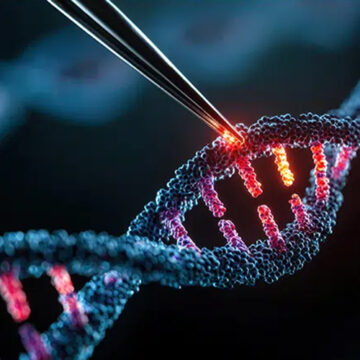
Gene therapy and cell therapy are two revolutionary approaches in modern medicine. Both aim to treat or even cure diseases at their source, but they work in fundamentally different ways. Understanding these differences is crucial for patients, healthcare professionals, and anyone interested in cutting-edge medical science.
» GROUNDBREAKING: Japan approves first iPSC stem cell therapies
What is Gene Therapy? Rewriting the Body’s Instructions
Gene therapy involves altering or repairing genes inside a person’s cells to treat or prevent disease. This can include:
- Replacing a faulty gene with a healthy copy
- Turning off a harmful gene
- Introducing a new gene to help fight disease
Gene therapy targets the root cause at the DNA level, making it a highly precise but complex approach. It’s commonly used in:
- Inherited disorders such as spinal muscular atrophy
- Certain types of cancer (e.g., CAR-T therapies target cancer cells by modifying immune genes)
- Blood disorders like sickle cell anemia and beta-thalassemia
Supportive Perspective
- Can potentially cure genetic diseases rather than just manage symptoms
- Advances in viral delivery systems (like adeno-associated viruses) have improved safety
Critical Perspective
- Long-term effects are still being studied
- High costs and technical complexity limit accessibility
- Risks include immune reactions or unintended genetic changes
What is Cell Therapy? Healing with Living Cells
Cell therapy uses living cells as a treatment rather than directly changing DNA. These cells can be:
- Autologous: From the patient’s own body
- Allogeneic: From a donor
Once administered, therapeutic cells may repair damaged tissue, fight disease, or modulate the immune system. Common examples include:
- Bone marrow transplants to treat leukemia and other blood disorders
- Mesenchymal stem cells for tissue regeneration
- CAR-T cell therapy, which is a hybrid that modifies immune cells genetically to fight cancer
Overlap and Emerging Approaches
Interestingly, some therapies blur the line:
- CAR-T therapy modifies immune cells’ genes outside the body before returning them, combining gene and cell therapy principles.
- Stem cell therapies can include genetic modification to enhance function, merging both strategies.
This overlap shows how cutting-edge medicine often combines approaches to maximize effectiveness.
Conclusion: Choosing the Right Approach
- Gene therapy fixes problems at the DNA level, offering precision and potential cures.
- Cell therapy provides living, functional cells to repair tissue or fight disease.
- Both are rapidly evolving fields with exciting potential, but each has unique risks, costs, and applications.
Understanding the differences helps patients and caregivers make informed decisions about treatment options.
Sources
- Cell and Gene Therapy Explained: Distinguishes gene therapy vs cell therapy and how they work.
https://www.novartis.com/about/novartis-gene-therapies/what-cell-and-gene-therapy - Epigenetic Memory of Obesity (Nature):
https://www.nature.com/articles/s41586-024-08165-7 - Obesity Cell Memory News Summary:
https://www.euronews.com/health/2024/11/20/struggling-to-keep-weight-off-a-new-study-finds-fat-cells-obesity-memory-could-be-the-caus - Adipose Memory Overview:
https://epigenetics.ethz.ch/news/nme-news/2024/11/our-newest-paper-is-out-adipose-tissue-retains-an-epigenetic-memory-of-obesity-after-weight-loss.html