Medically reviewed by:

Sunburn isn’t just uncomfortable, it’s a sign your skin has suffered radiation damage from ultraviolet (UV) light. While the only true cure is time, there are reliable ways to ease discomfort, support healing, and reduce complications. In this guide, we translate expert recommendations into practical steps you can use at home, along with balanced perspectives on what works and what doesn’t.
» READ MORE: Why sunscreen is essential for skin health
Immediate care: Soothing the burn and reducing discomfort
Sunburn damage triggers inflammation, which is why the skin feels hot, red, and painful hours after exposure. The first priority is to cool down, hydrate, and protect the injured skin.
Cool, gentle relief for inflamed skin
Getting out of the sun and moving to a cool environment is the first step. Bringing down the heat helps limit inflammation and irritation. Dermatologists and first‑aid experts recommend:
- Cool baths or showers: Short, cool (not icy) water exposure can reduce skin heat. Avoid long, hot baths or harsh soaps, which dry out skin further.
- Damp cool compresses: Apply a clean, cool towel for 10–15 minutes several times a day. Cooling constricts blood vessels and lessens swelling.
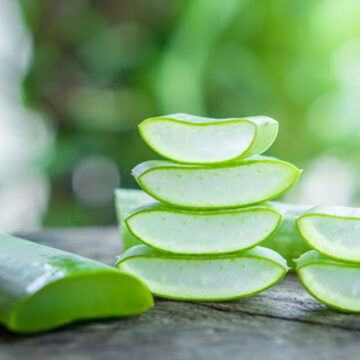
- Aloe vera or gentle moisturizers: While not a cure, moisturizing and soothing gels containing aloe or soy help trap moisture and calm inflamed skin, especially if applied while skin is still slightly damp after a bath.
Cooling and moisturizing do not “heal” the burn, but they significantly reduce irritation, pain, and peeling, which can make days‑long healing more tolerable. Avoid home remedies that trap heat, such as greasy ointments like petroleum jelly on fresh burns, which can slow cooling and delay healing.
Hydration matters
Sunburn draws fluid to the skin’s surface and away from the rest of your body. Drinking extra water helps prevent dehydration and supports skin repair.
» READ MORE: Aloe vera benefits: Skin, gut health, and more
Caring for damaged skin: blisters, peeling, and infection prevention
Advanced sunburn may cause blistering, which indicates second‑degree injury. How you treat these signs can influence healing and infection risk.
Blister care and peeling skin
Blisters are the body’s natural protective layer. Do not pop them — breaking blisters increases the risk of infection and slows healing. If a blister does break on its own:
- Gently clean the area with mild soap and lukewarm water.
- Apply a thin layer of antibiotic ointment.
- Cover with a nonstick dressing until healed.
When your skin begins to peel, another natural healing phase, resist the urge to pick at it. Instead, continue gentle moisturizing. Thick ointments or harsh soaps can irritate peeling skin.
» READ MORE: Foods that improve skin health naturally
When sunburn requires medical care
Most mild sunburns can be managed at home, but certain warning signs indicate the need for professional evaluation:
- Fever, chills, or persistent nausea
- Severe pain not relieved by OTC measures
- Sunburn covering a large area or critical regions like the face, hands, feet, or genitals
- Signs of infection (pus, increasing redness, warmth)
- Confusion or dizziness
Seek urgent care if any of these occur. Severe sunburn can require prescription creams, systemic anti‑inflammatories, or other interventions from a healthcare provider.
Conclusion: Smart care speeds comfort, not cure
Sunburn is radiation damage, once it’s happened, there is no instant cure. The goal of treatment is to relieve pain, reduce inflammation, support the skin’s natural healing process, and prevent complications.
Key takeaways:
- Remove yourself from further UV exposure and cool the skin gently.
- Hydrate skin and body with moisturizers and water.
- Use pain relievers responsibly to manage discomfort.
- Avoid popping blisters and irritating the skin further.
- Know when to seek medical care for severe symptoms.
Learning how to respond appropriately can reduce suffering and lower the risk of infection or longer‑term issues.
Sources
- Sunburn first aid basics:
https://www.mayoclinic.org/first-aid/first-aid-sunburn/basics/art-20056643 - Dermatologist sunburn treatment tips:
https://www.aad.org/public/skin-hair-nails/injured-skin/treating-sunburn - Sunburn relief and healing guide:
https://www.yalemedicine.org/news/how-to-treat-a-sunburn - Medical recommendations and warning signs:
https://www.msdmanuals.com/professional/dermatologic-disorders/reactions-to-sunlight/sunburn