Medically reviewed by:

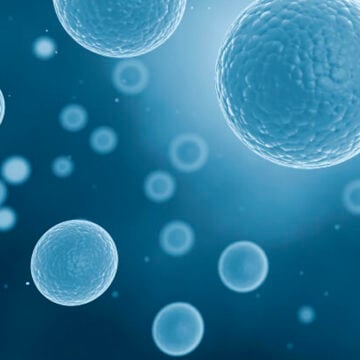
Japan’s health authorities have taken a major step forward in regenerative medicine by approving, on a conditional basis, the world’s first therapies derived from induced pluripotent stem cells (iPSCs). These treatments are designed for severe heart failure (ReHeart) and Parkinson’s disease (Amchepry), marking what many experts call a historic milestone for stem‑cell‑based drugs and medicine.
What are iPSCs and why this matters
What are induced pluripotent stem cells?
iPSCs are adult cells, for example, from blood or skin, that scientists “reprogram” back into a stem‑like state in which they can grow into multiple types of cells in the body. This revolutionary approach was pioneered by Japanese scientist Shinya Yamanaka, who won the Nobel Prize in 2012 for this discovery.
Unlike traditional embryonic stem cells, iPSCs avoid ethical controversies and let researchers create patient‑matched therapies that reduce rejection risk and tackle diseases at the level of cell repair. For decades, iPSCs were an experimental tool; now Japan is turning them into approved medicines.
Why this is a big deal:
- These are the first iPSC‑derived therapies cleared for use anywhere in the world.
- They open the door to regenerative treatments for diseases previously untreatable at the cell level.
- They illustrate a shift from foundational research into clinical and commercial application.
The Two Approved Therapies, How They Work
A. ReHeart: For Severe Heart Failure
ReHeart is a therapy developed by Cuorips Inc., a spin‑out from Osaka University. It uses heart muscle cells grown from iPSCs to create thin patches that are surgically applied to the heart’s surface.
These patches are designed to:
- Stimulate new blood vessel growth
- Improve circulation in damaged heart tissue
- Support better cardiac function in people whose hearts struggle to pump effectively
This approach goes beyond symptom management — it aims to repair tissue lost to ischemic heart disease.
B. Amchepry: For Parkinson’s Disease
Amchepry, developed by Sumitomo Pharma and partners, targets the brain — specifically the dopamine‑producing neurons that degenerate in Parkinson’s disease.
The therapy introduces dopamine‑producing cells derived from iPSCs into the brains of patients, with the hope of:
- Reducing motor symptoms, such as tremors
- Improving quality of life where existing drug treatments are limited
Early trials involving small patient numbers showed symptom improvement without serious safety issues, though additional research is needed.
Supportive and Critical Perspectives
Supportive View: A New Era in Regenerative Medicine
Many scientists celebrate this decision as a breakthrough moment for cell therapy and precision medicine. Japan’s regulatory framework, which allows conditional or time‑limited approvals to accelerate access while data collection continues, may help patients benefit sooner while developers refine safety and efficacy.
Proponents argue that:
- Patients with limited options may access promising treatments earlier
- Japan’s experience could serve as a model for global regulatory evolution
Critical Voices: Limited Data and Caution
Not all experts are fully convinced. Some raise concerns about the quality and amount of clinical data supporting these approvals. Trials so far have:
- Involved relatively small patient groups
- Often lacked robust control arms that are standard in later‑stage research
This makes it harder to assess long‑term safety and true effectiveness. Critics emphasize the need for larger, controlled studies — and careful post‑market monitoring.
Balanced takeaway: While regulations prioritize early access, many researchers urge scientific caution as this new class of therapies transitions from trial to real‑world use.
What’s Next for iPSC Therapies
Post‑Approval Monitoring & Evidence Gathering
Both ReHeart and Amchepry were given conditional and time‑limited approval, which means:
- Developers must continue collecting clinical data after launch
- Regulatory agencies will monitor outcomes closely
- Continued research may affect long‑term licensing and insurance coverage
This approach aims to balance innovation with patient safety.
Potential Global Impact
Japan’s regulatory path could influence other countries’ approaches to cell and gene therapies, especially for neurodegenerative and cardiovascular diseases. Some companies even target future markets outside Japan based on these developments.
Conclusion: A Landmark, But Not a Finish Line
Japan’s world‑first approval of iPSC stem cell therapies for heart failure and Parkinson’s is a historic milestone in regenerative medicine, a field decades in the making that now edges into everyday clinical use. These therapies may offer hope to patients with conditions that have limited options, yet scientific caution and continued monitoring remain essential as evidence continues to build.
Whether this ushers in a new generation of treatments worldwide, or highlights the need for even stronger data, one thing is clear: cell therapy has officially left the lab and entered the clinic.
Sources
- Japan authorizes world’s first iPSC‑based cell therapies.
https://bioinformant.com/ipsc-therapies-make-history-japan-authorizes-worlds-first-two-ipsc-based-cell-therapies - Japan approves regenerative medicines using iPS cells.
https://www.scmp.com/news/asia/east-asia/article/3344036/japan-approves-worlds-first-regenerative-medicines-using-ips-cells - Japan’s approval decision draws scientific caution.
https://www.ursaclimb.com/verticals/news/first-of-a-kind-stem-cell-therapies-set-for-approval-in-japan-c9fbfed1 - Induced pluripotent stem cells: Nobel Prize-winning research by Shinya Yamanaka.
https://www.nobelprize.org/prizes/medicine/2012/yamanaka/facts/