Medically reviewed by:

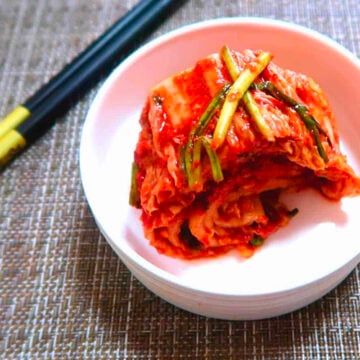
Kimchi, the spicy, fermented vegetable staple of Korean cuisine, has long been celebrated for its flavor and cultural importance. In recent years, it’s also gained attention for potential health benefits, especially its effect on the immune system.
But does kimchi really improve immunity, or is this just anecdote and tradition? In this article, we unpack the science, explain mechanisms, and present both supportive and critical perspectives.
How Kimchi’s Fermentation Might Influence Immunity
What Makes Kimchi Unique
Kimchi is typically made from vegetables (like napa cabbage, radish, and scallions) seasoned with garlic, ginger, chili pepper, and salt, then fermented by lactic acid bacteria such as Lactobacillus species. During fermentation, these bacteria multiply and produce compounds that can interact with our gut ecosystem.
Fermentation makes kimchi rich in:
- Probiotics (live beneficial microbes)
- Prebiotics (fiber that feeds good microbes)
- Bioactive compounds (antioxidants from garlic, chili, ginger)
Because roughly 70–80% of immune activity is linked to the gut microbiome, foods that promote a healthy gut environment — like kimchi — are believed to indirectly support immunity.
Evidence from Human Studies: Immune Cell Modulation
A clinical study published in npj Science of Food used single‑cell RNA sequencing to analyze immune responses after 12 weeks of kimchi consumption in adults. The findings revealed:
- Enhanced activity of antigen‑presenting cells, which help recognize and initiate defense against pathogens
- Balanced differentiation of CD4⁺ T cells, key players in coordinating immune responses
- Improved immune regulation — not just activation — suggesting kimchi refines immune function instead of overstimulating it
- Starter‑fermented kimchi (with specific bacterial cultures) showed even stronger effects than naturally fermented versions
These results indicate kimchi may help both strengthen defense mechanisms and prevent excessive immune reactions, which are linked to inflammation and illness.
Probiotics, Immune Balance, and Gut Health
Probiotics as a Bridge Between Kimchi and Immunity
Probiotics are beneficial microbes that help maintain a balanced gut microbiota. Fermented foods like kimchi provide live cultures that may support gut diversity, a hallmark of robust digestive and immune health. Many studies link a diverse and balanced microbial community with lower inflammation and stronger immunity.
However, it’s important to note:
- Not all kimchi is equal: Commercial kimchi may be pasteurized, which can reduce probiotic content.
- Probiotic effects vary by strain and individual: Results may differ based on personal gut microbiome, diet, and health status.
Beyond Probiotics: Postbiotic Effects
Research in animal models suggests that even heated (cooked) kimchi, which kills live bacteria, still supports immune markers like splenic lymphocytes and intestinal IgA (an antibody supporting mucosal immunity). This indicates that postbiotic compounds (metabolites from fermentation) may contribute to immune benefits as well.
Balanced View: What Science Says and What It Doesn’t
Supportive Perspectives
- Kimchi contains probiotics that can help balance gut microbiota and support immune‑linked functions.
- Advanced studies show kimchi may modulate immune cells in humans, strengthening effective responses while avoiding excessive inflammation.
- Kimchi’s antioxidants and nutrients (vitamin C, polyphenols) may further support overall health.
Critical Perspectives
- Kimchi is not a medicine: It cannot prevent or cure infections on its own.
- Human studies are still limited and small in scale; larger clinical trials are needed for firm conclusions.
- Effects may vary widely based on kimchi recipe, fermentation quality, and individual health.
It’s also worth mentioning that not all research finds strong effects. A randomized trial in college students showed no clear changes in certain immune parameters after kimchi intake, highlighting variability in outcomes and the need for more research.
Conclusion: Can Kimchi Help Your Immune System?
The current body of science suggests that kimchi has the potential to support immune health, mainly through effects on gut microbes and immune cell regulation.
Key takeaways:
- Kimchi’s probiotics may contribute to a healthier gut, indirectly supporting immune function.
- Emerging human research indicates kimchi may help fine‑tune immune responses rather than merely boosting them.
- Both live microbes and postbiotic compounds appear to play roles in its health effects.
- More research is needed before claiming kimchi as a standalone immune‑enhancing food.
Incorporating moderate amounts of kimchi as part of a balanced, nutrient‑rich diet can be a flavorful way to support digestive and immune health — but it should complement, not replace, broader health practices.
Sources
- Single‑cell analysis reveals kimchi’s immune modulation:
https://www.sciencedaily.com/releases/2025/12/251216081945.htm - Kimchi supports balanced immune responses:
https://www.koreatimes.co.kr/lifestyle/travel-food/20251220/kimchis-effect-goes-this-far-study-finds-it-not-only-boosts-immunity-but-fine-tunes-it - Kimchi may balance immune function:
https://www.drugs.com/news/study-finds-kimchi-may-help-balance-immune-system-128426.html - Kimchi’s probiotic and nutritional benefits:
https://www.webmd.com/diet/health-benefits-kimchi - Immunoenhancing potential of kimchi (animal model):
https://journalofethnicfoods.biomedcentral.com/articles/10.1186/s42779-024-00232-8