Medically reviewed by:

Snacking has a poor reputation, but the habit itself is not the issue. What matters far more is what you are actually eating. A growing and increasingly convergent body of research now links ultra-processed foods, particularly those high in refined carbohydrates, not only to metabolic problems like weight gain and type 2 diabetes, but to measurable harm in the brain: reduced memory, impaired concentration, elevated stroke risk, and a long-term association with cognitive decline and dementia. The distinction between a snack and an ultra-processed snack is not semantic. It is biological, and the evidence behind it is worth understanding clearly.
What makes a food “Ultra-Processed” and why it matters for your brain
The term ultra-processed comes from the NOVA classification system, developed by researchers at the University of São Paulo, which categorizes foods by the degree and purpose of their industrial processing rather than simply by their nutrient content. Ultra-processed foods (UPFs) are not merely foods with added salt or sugar. They are industrial formulations that typically contain little to no whole food ingredients and instead combine cheap starches, refined oils, added sugars, flavor enhancers, emulsifiers, colorants, and preservatives in configurations designed to maximize palatability and shelf life.
Common examples include packaged pastries, white crackers, sugary cereals, candy bars, flavored chips, soft drinks, most fast food, and many products marketed as healthy, including granola bars, flavored yogurts, and protein snacks that are in fact highly processed despite their packaging claims.
What happens when you eat one? Refined carbohydrates in ultra-processed foods are digested rapidly, driving a sharp spike in blood glucose. The body responds with a surge of insulin to bring that glucose back down, often too aggressively, resulting in a dip below baseline. That dip, the post-sugar crash, is directly responsible for the familiar afternoon slump: fatigue, irritability, difficulty concentrating, and renewed cravings that push you toward the next hit of easily available sugar. This cycle repeats throughout the day for many people, keeping blood sugar volatile and the brain in a state of metabolic inconsistency.
The mechanism: How UPFs affect the brain beyond blood sugar
The blood sugar argument is well understood but only part of the picture. High UPF intake is linked to adverse adiposity and metabolic profiles, alongside cellularity changes in feeding-related subcortical brain areas, partially mediated by dyslipidemia, systemic inflammation, and body mass index, suggesting that UPFs exert effects on the brain beyond just contributing to obesity, and that dysregulation of the network of subcortical feeding-related brain structures may create a self-reinforcing cycle of increased UPF consumption.
In plain terms: repeated consumption of ultra-processed foods appears to structurally alter the brain regions responsible for appetite regulation and reward, making it progressively harder to choose differently, not because of a lack of willpower, but because of genuine neurobiological change. UPF consumption may lead to the rewiring of the brain’s reward systems through synaptic changes that replicate those seen in substance use disorders, contributing to hyperexcitability of reward systems, increased stress reactivity, and cognitive impairment.
What the research now shows about UPFs, memory, and cognitive decline
This is no longer a story about suspicion or preliminary data. Several large, well-designed studies published between 2022 and 2025 have established consistent associations between ultra-processed food intake and measurable harm to brain health, and these associations hold up even after controlling for conventional dietary quality measures.
The largest and most cited is the REGARDS study, published in Neurology in May 2024, which followed over 30,000 adults aged 45 and older for an average of eleven years. A 10% increase in the intake of ultra-processed foods raised the risk of cognitive decline by 16% and stroke by 8%, while a 10% increase in unprocessed or minimally processed foods reduced these risks by 12% for cognitive decline and 9% for stroke. Critically, these associations were independent of whether participants followed a Mediterranean, DASH, or MIND diet — meaning the harm from ultra-processed foods is not simply explained by generally poor dietary habits. It appears to be a specific effect of the processing itself.
A separate Virginia Tech study tracking US adults aged 55 and older for seven years found a 17% increase in cognitive issues among people who consumed at least one serving of ultra-processed meat per day, and a 6% increase in cognitive impairment for each daily serving of soda. That dose-dependent pattern is meaningful: it suggests a cumulative exposure effect rather than an occasional indulgence problem.
Longitudinal data from the Raine Study link high-UPF diets to a 5% reduction in hippocampal volume after adjustment for vascular risk factors, and two complementary analyses, the 2025 Framingham study and a 2024 meta-analysis of nine cohorts, show a 25 to 35% excess risk of all-cause dementia in the highest UPF consumption group.  The hippocampus is the brain region most directly associated with memory formation and retrieval. Its shrinkage in response to dietary pattern is a finding with serious long-term implications.
UPFs, mood, and mental health
The cognitive story connects to mental health outcomes as well. UPF consumption is associated with dysregulated lipid metabolism and increased risk of anxiety, depression, ADHD, and eating disorders, with dose-dependent increases in risk identified across most of these conditions, proposed mechanisms include systemic low-grade inflammation, alterations in dopamine and serotonin signaling, and the influence of UPF additives on neurochemical regulation. That last point is worth emphasizing: it is not only the sugar and refined starch causing harm, but the additives, emulsifiers, artificial sweeteners, colorants — that appear to independently affect gut bacteria and, via the gut-brain axis, neurotransmitter production and mood regulation.
Practical alternatives: What to eat instead and why it works
The practical implication is straightforward, even if the food environment makes it difficult to act on: replacing ultra-processed snacks with whole-food alternatives changes the biological response to eating in ways that are measurable and meaningful.
Whole-food snacks combining protein, healthy fat, and fiber slow gastric emptying, flatten the post-meal glucose curve, sustain concentration, and deliver nutrients that directly support brain function and neurotransmitter production. The contrast with a refined-carbohydrate snack is not just nutritional, it is physiological.
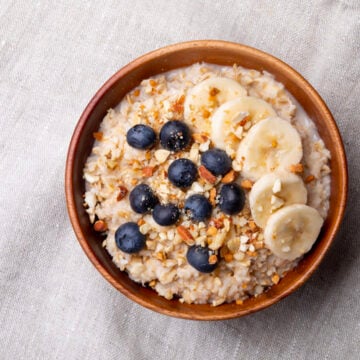
Reliable whole-food alternatives include nuts and seeds, which provide healthy fats, magnesium, vitamin E, and fiber. Plain yogurt with no added sugar offers high-quality protein and gut-supportive probiotics. Eggs deliver choline, a nutrient essential for acetylcholine synthesis and cognitive function that most people do not consume in sufficient amounts. Fruit combined with a handful of nuts provides natural sugars alongside fiber and fat that moderate glucose absorption. Vegetables with hummus or nut butter offer fiber, micronutrients, and satiety without a glucose spike.
The goal is not perfection or the complete elimination of all processed foods, that standard is neither realistic nor necessary. The goal is reducing the frequency with which ultra-processed, refined-carbohydrate foods dominate the snack landscape, and replacing them consistently enough that the metabolic and neurological environment shifts over time.
A few practical principles that are well-supported by the evidence: cook meals at home as often as possible, as home-cooked food is almost invariably less processed than ready-made alternatives. Read ingredient labels, not just nutrition panels, a long list of additives, stabilizers, and unrecognizable ingredients is the most reliable signal of ultra-processing. Choose water, sparkling water, or unsweetened beverages over soft drinks and sweetened coffees. And when choosing convenience foods, prioritize those with recognizable, minimal ingredients over those engineered for maximum palatability.
Conclusion: The snack is not the problem, what’s in it is
The shift in understanding is significant. Snacking, eating between meals, is not inherently harmful. The biological disruption comes from what most people actually snack on: ultra-processed, rapidly digested, additive-laden foods that spike blood sugar, suppress satiety signals, alter gut bacteria, and, as a growing body of research now shows, measurably affect brain structure and function over time.
The evidence no longer supports framing this as a marginal dietary preference. A consistent pattern of high ultra-processed food intake is independently associated with a 16% higher risk of cognitive decline and up to a 35% higher risk of dementia in the highest consumption groups. These are not trivial numbers. They represent a modifiable risk factor that sits squarely within the reach of everyday food choices.
The direction is clear: fewer ultra-processed snacks, more whole foods, more home cooking, and more attention to what is actually in the products being consumed. That shift does not require perfection, it requires consistency, and it starts with knowing what the research actually says.
Frequently Asked Questions (FAQ)
Is all processed food bad for the brain?
No. The NOVA system distinguishes between minimally processed foods (frozen vegetables, canned legumes, plain yogurt), processed foods (cheese, bread, cured meats), and ultra-processed foods. The research consistently identifies ultra-processed formulations, not processing in general, as the category associated with cognitive and metabolic harm. Canned tomatoes are processed. A packaged pastry with seventeen ingredients is ultra-processed. The distinction matters.
How quickly can dietary changes affect cognitive function?
Short-term effects on concentration and mood can emerge within days to weeks of reducing ultra-processed food intake and stabilizing blood sugar patterns. Structural brain changes and long-term dementia risk are shaped over years and decades. Both time horizons are worth caring about, and neither invalidates the other.
Are artificial sweeteners a safer alternative to sugar in processed foods?
The evidence here is mixed and evolving. Some research suggests that artificial sweeteners may affect gut microbiome composition and, via the gut-brain axis, mood and appetite regulation. They do not cause the blood glucose spike that refined sugars produce, but the overall health profile of artificially sweetened ultra-processed products is not clearly better than their sugared counterparts. Replacing a diet drink with water remains the more evidence-supported choice.
What about children and adolescents?
During critical developmental periods such as childhood and adolescence, the brain undergoes significant structural and functional changes, making it particularly susceptible to the effects of micronutrient deficiencies often exacerbated by diets high in ultra-processed foods. The long-term brain health implications of high UPF intake established during childhood are an active area of research — and given what is already known about adult populations, the precautionary direction is clear.
Does following a Mediterranean or DASH diet cancel out the effects of UPFs?
No, and this is one of the most important findings from recent research. The REGARDS study specifically found that the cognitive harm associated with ultra-processed food intake persisted even among participants who otherwise adhered to recommended dietary patterns. UPF consumption appears to carry independent risk, not risk that is absorbed or neutralized by generally healthy eating.
Last updated
March 21, 2026Medically reviewed by:
Sources | Medically and scientifically proven evidence on ultra-processed carbs and brain health
- Higher intake of ultra-processed foods is associated with faster cognitive decline and reduced executive brain function.
https://jamanetwork.com/journals/jamaneurology/fullarticle/2799140 - A 10% increase in ultra-processed food consumption is linked to a significantly higher risk of cognitive impairment and stroke.
https://www.sciencedaily.com/releases/2024/05/240522225300.htm - Diets high in ultra-processed foods (often rich in refined carbs and sugar) are linked to increased risk of depression, anxiety, and cognitive decline.
https://www.nationalgeographic.com/premium/article/ultra-processed-foods-damage-brain-depression-anxiety-cognitive-decline - Ultra-processed foods are typically high in sugar, fat, and salt and low in fiber and protein, negatively affecting brain and metabolic health.
https://www.aan.com/PressRoom/Home/PressRelease/5172 - Clinical research shows that people consuming ≥20% of calories from ultra-processed foods experience significantly faster cognitive decline.
https://www.healthline.com/health-news/how-ultra-processed-foods-hasten-cognitive-decline - Ultra-processed diets are associated with inflammation and metabolic dysfunction, which are key contributors to brain aging and neurological disorders.
https://www.nationalgeographic.com/premium/article/ultra-processed-foods-damage-brain-depression-anxiety-cognitive-decline