
Reviewed by:

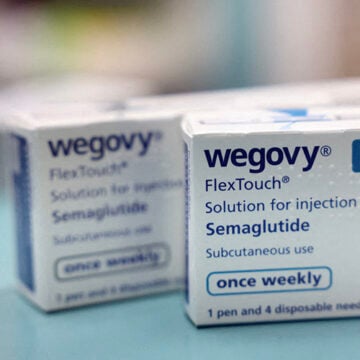
The weight loss medication race is accelerating rapidly, and the latest attention-grabbing development comes from Novo Nordisk. The company has claimed that its Wegovy oral formulation outperforms Eli Lilly’s oral GLP-1 candidate in cross-trial comparisons, sparking global discussion among clinicians, investors, and patients. With obesity treatments becoming one of the fastest-growing areas in healthcare, understanding what this comparison actually means is essential.
Wegovy and the rise of oral GLP-1 treatments in the weight loss era
Wegovy, known generically as semaglutide, has already transformed obesity treatment as a once-weekly injectable GLP-1 receptor agonist. It works by mimicking a natural hormone in the body that regulates appetite, slows gastric emptying, and helps control blood sugar levels. This results in reduced hunger and improved satiety, leading to significant weight loss in clinical settings. Now, the next frontier is oral GLP-1 therapy. For many patients, injections remain a psychological and practical barrier, even when outcomes are highly effective. This is why the development of a Wegovy pill form represents a major shift in the treatment landscape. Oral GLP-1 medications require advanced absorption technology because peptide-based drugs are normally broken down in the digestive system before they can enter the bloodstream. Novo Nordisk’s recent cross-trial comparison claims that its oral formulation demonstrates stronger weight reduction outcomes compared to Eli Lilly’s experimental oral GLP-1 therapy. While cross-trial comparisons are not direct head-to-head studies, they are still widely analyzed in pharmaceutical and regulatory discussions.
Weight loss | Topics

Novo Nordisk vs Eli Lilly: What the cross-trial comparison actually suggests
The pharmaceutical rivalry between Novo Nordisk and Eli Lilly has become one of the most closely watched battles in modern medicine. Novo Nordisk’s statement that Wegovy’s oral version outperforms Lilly’s oral GLP-1 candidate has drawn significant attention, but it requires careful interpretation.
Cross-trial comparisons involve analyzing results from separate clinical studies rather than direct head-to-head trials. This means differences in patient populations, study design, dosage, and duration can influence outcomes. Despite these limitations, such comparisons are often used in early-stage market positioning. In the reported data, Wegovy’s oral formulation demonstrated stronger average weight loss outcomes compared to Lilly’s oral candidate. However, experts caution that these results should be viewed as indicative rather than definitive. In obesity drug development, even a 2–3% difference in average weight loss between compounds can significantly influence market share and prescribing trends.
Critical perspective: Why direct comparison matters
Without head-to-head clinical trials, it is difficult to determine true superiority. Differences in trial design can unintentionally favor one drug over another. Additionally, factors such as patient adherence, dosing schedules, and side effect profiles may impact real-world effectiveness more than trial results alone.
Weight loss | Medical
What this means for patients: Effectiveness, safety, and real-world impact
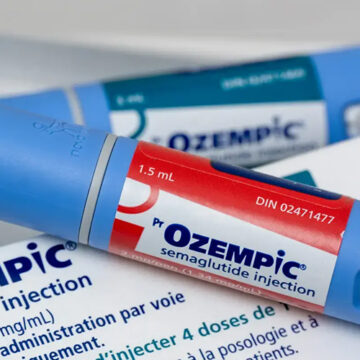
For patients, the most important question is not which company wins a comparison, but how effective and safe these treatments are in real life. Wegovy has already demonstrated significant average weight loss in clinical trials, often exceeding 10–15% of body weight, depending on dosage and lifestyle support. Oral formulations could further increase accessibility by removing the need for injections. This could improve adherence rates, especially among individuals who are hesitant about needles or who require long-term therapy. However, side effects remain an important consideration. GLP-1 medications commonly cause gastrointestinal symptoms such as nausea, vomiting, and constipation, particularly during dose escalation. These effects are generally manageable but can impact treatment continuation. Many patients experience reduced food cravings so strongly that their relationship with food feels fundamentally different within weeks of starting GLP-1 therapy.
Long-term considerations and unknowns
While short-term results are promising, long-term data for oral GLP-1 formulations is still limited. Researchers are particularly interested in whether weight loss can be sustained after discontinuation and how long-term metabolic effects evolve over years of use. Cost and access also remain major issues. New-generation obesity medications are often expensive, and insurance coverage varies widely between countries and healthcare systems.
The future of Wegovy and the global weight loss drug market
The obesity treatment market is undergoing rapid transformation. GLP-1 receptor agonists like Wegovy are not only changing how doctors treat obesity but also reshaping public understanding of metabolic health. The potential launch of an oral Wegovy formulation could significantly expand its reach. Pills are generally more acceptable and easier to distribute than injectables, which may increase global adoption. If Novo Nordisk’s performance claims hold up in further studies, it could strengthen its leadership position in the obesity drug market. At the same time, Eli Lilly continues to advance its own pipeline, ensuring that competition remains intense. This rivalry is likely to accelerate innovation, potentially leading to more effective and accessible treatments in the coming years. Analysts project that the global obesity drug market could exceed tens of billions of dollars within the next decade, driven largely by GLP-1-based therapies.
A shift toward chronic disease management
Obesity is increasingly being recognized not as a lifestyle issue alone but as a chronic metabolic condition. This shift is changing how treatments are developed, prescribed, and reimbursed. Medications like Wegovy are at the center of this transformation.
Medical weight loss | Clinics

Conclusion: What the Wegovy vs oral GLP-1 debate really means
The comparison between Novo Nordisk’s Wegovy and Eli Lilly’s oral GLP-1 candidate highlights one of the most important developments in modern healthcare: the transition from injectable to oral metabolic treatments. While Novo Nordisk’s cross-trial data suggests potential superiority, the absence of direct head-to-head trials means conclusions should remain cautious.
What is clear is that GLP-1 therapies are redefining weight management. They offer meaningful weight loss, improved metabolic health, and a new approach to treating obesity at its biological roots. The introduction of oral options could further expand access and reshape global treatment patterns. Ultimately, this is not just a competition between two companies, but a reflection of how rapidly obesity treatment is evolving toward more convenient, effective, and widely accessible solutions.
FAQ
What is Wegovy used for?
Wegovy is used for chronic weight management in adults with obesity or weight-related health conditions.
Is the Wegovy pill more effective than injections?
Early data suggests strong effectiveness, but injections remain the most studied and established form so far.
What is GLP-1 in weight loss medications?
GLP-1 is a hormone that regulates appetite, insulin, and digestion, helping reduce hunger and support weight loss.
Are oral GLP-1 drugs available now?
Some are in late-stage development or approval phases, but availability varies by region.
Can weight return after stopping Wegovy?
Yes, weight regain is possible if lifestyle changes are not maintained after stopping treatment.