Microneedling
Reviewed by:

Microneedling stimulates the skin’s natural repair process to help improve texture, soften the appearance of acne scars and reduce the visibility of fine lines.
- Smoother skin texture
- Reduced acne scars
- Fewer visible fine lines
- Collagen stimulation
What is microneedling?
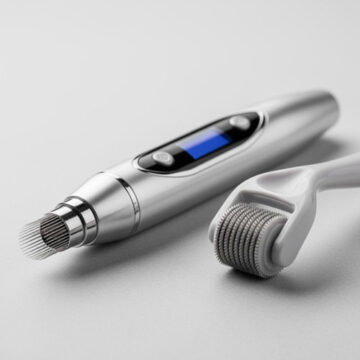
Microneedling, also known as collagen induction therapy, is a minimally invasive skin procedure that uses fine needles to create tiny punctures in the skin. These controlled micro-injuries trigger a wound-healing response that can stimulate collagen production and tissue remodelling.
Collagen is a structural protein that helps support the skin’s firmness and structure. As the skin heals, microneedling may improve the appearance of selected scars, fine lines and uneven texture.
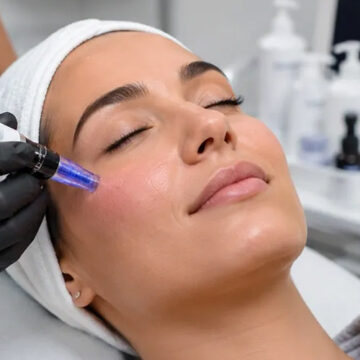
A professional treatment typically uses a specialised microneedling pen or device. The needle depth and treatment technique are selected according to the skin concern, treatment area, device and individual circumstances.
Microneedling is not the same as radiofrequency microneedling. Traditional microneedling relies on controlled mechanical injury, whereas radiofrequency (RF) microneedling also delivers energy that heats tissue.
Why microneedling?
Microneedling is used to address several skin concerns. Results depend on the treatment performed, the individual’s skin and the number of sessions completed.
1. Improves the appearance of acne scars
Microneedling may help soften the appearance of certain depressed acne scars by stimulating collagen remodelling. Different scar types respond differently, so a professional assessment is important when choosing a treatment plan.
2. Smooths uneven skin texture
By encouraging skin repair and remodelling, microneedling may help improve rough or uneven skin texture over time.
3. Softens the appearance of fine lines
Microneedling may improve the appearance of selected fine lines and wrinkles. It does not eliminate all wrinkles or replace treatments intended for significant skin laxity.
4. Supports firmer-looking skin
Collagen remodelling may contribute to an improvement in skin firmness and texture. The degree of change varies, and dramatic skin tightening should not be expected from traditional microneedling.
5. May improve the appearance of selected scars
In addition to certain acne scars, microneedling may be considered for some other types of scars. Suitability depends on the scar’s characteristics, location and healing history.
6. Offers a non-surgical treatment option
Microneedling does not involve surgical incisions. However, professional microneedling is still an invasive procedure that penetrates the skin and carries risks.
How does Microneedling work?
Microneedling works by creating controlled micro-injuries in the skin. These activate the body’s wound-healing response, including processes involved in collagen production and tissue remodelling.
The treatment is intended to encourage gradual changes in skin texture and the appearance of selected scars. Improvements develop during healing rather than appearing instantly.
The depth of needle penetration matters. A superficial treatment differs from a deeper procedure intended to address certain scars, and deeper treatment may involve different risks and recovery requirements. Professional microneedling should be tailored to the individual rather than performed at the same depth across every area of the face.
What are the risks and side effects of Microneedling?
Microneedling is not risk-free. Common temporary effects can include redness, dryness, tightness, itching, peeling, discomfort, bruising and minor bleeding.
Less common but important complications include infection, scarring, changes in skin pigmentation, cold sore reactivation and unwanted skin texture changes. The risk depends on the device, technique, depth, hygiene, individual skin characteristics and aftercare. Incorrect technique or unsuitable treatment can increase the risk of complications.
Microneedling may not be appropriate for people with active skin infections, certain inflammatory skin conditions, impaired healing, bleeding disorders, a history of keloid scarring or other relevant medical factors. Some medications and circumstances, including recent isotretinoin use, pregnancy or breastfeeding, may require postponement or additional clinical assessment.
This is not an exhaustive list. Tell your practitioner about your medical history and medications before treatment. A qualified professional should determine whether the procedure is suitable for you.
FAQs about microneedling
What is microneedling used for?
Microneedling is used to improve the appearance of selected skin concerns, including certain acne scars, facial wrinkles and uneven texture. The appropriate use depends on the device and clinical assessment.
Does microneedling stimulate collagen?
Yes. Microneedling creates controlled micro-injuries that activate the skin’s healing response, including processes involved in collagen production and tissue remodelling.
Is microneedling good for acne scars?
It may improve the appearance of certain depressed acne scars. Scar type, depth and individual skin characteristics influence the outcome, and other treatments may be more suitable for some scars.
How many microneedling sessions are needed?
The number varies by individual and treatment goal. A series of sessions may be recommended, but the appropriate schedule should be determined by a qualified practitioner.
How long does redness last after microneedling?
Redness often improves over the first few days, but the duration varies with treatment intensity and individual skin response. More intensive procedures can require a longer recovery period.
Can microneedling damage your skin?
Yes, complications are possible. These include infection, scarring, pigmentation changes and unwanted texture changes. Proper patient selection, appropriate technique and aftercare help reduce avoidable risks.
Is microneedling safe for darker skin tones?
Microneedling may be an option for some people with darker skin tones, but pigmentation changes remain possible. Suitability depends on individual skin characteristics, the device and the practitioner’s experience.
Can I wear makeup after microneedling?
Your skin may be temporarily more sensitive and vulnerable to irritation or infection. Follow your practitioner’s advice on when makeup can safely be resumed rather than applying it immediately after treatment.
Can microneedling be combined with other treatments?
Sometimes, but combinations should be planned carefully. Do not assume that applying serums, medications, platelet-rich plasma or other products during microneedling is safe or effective. Ask your practitioner about the evidence, product suitability and device-specific guidance.
Is microneedling better than RF microneedling?
Not necessarily. The procedures have different mechanisms and risk profiles. The right choice depends on your skin concern, medical history, treatment goals and a professional assessment.
Is microneedling worth it?
It may be worthwhile for people seeking improvement in selected scars or skin-texture concerns who have realistic expectations. Consider the likely benefit, risks, recovery time, cost and alternative treatments before deciding.