Morpheus8
Reviewed by:

Morpheus8 combines microneedling and radiofrequency energy to help improve skin texture, firmness and the appearance of selected scars and fine lines.
- Firmer-looking skin
- Smoother skin texture
- Collagen remodelling
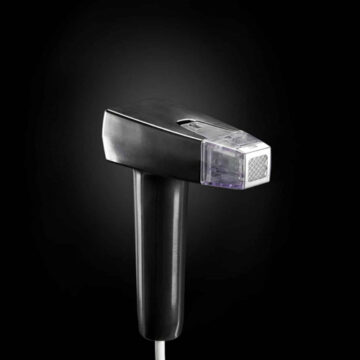
What is Morpheus8?
Morpheus8 is a fractional radiofrequency microneedling system developed by InMode. It uses fine needles to deliver radiofrequency energy into targeted layers of the skin, creating controlled thermal effects that stimulate tissue remodelling.
Unlike traditional microneedling, which relies primarily on mechanical micro-injuries, Morpheus8 combines needle penetration with radiofrequency heat. The intended effect is to encourage changes in the skin that may improve its texture and firmness over time.
Morpheus8 is more than microneedling
Unlike traditional microneedling, which relies primarily on mechanical micro-injuries, Morpheus8 combines needle penetration with radiofrequency heat. The intended effect is to encourage changes in the skin that may improve its texture and firmness over time.
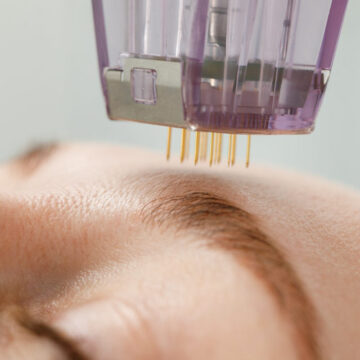
Morpheus8 benefits
Morpheus8 is used in aesthetic practice to address selected concerns involving skin texture, scarring and firmness. Potential benefits depend on the individual, treatment settings and the condition being treated.
1. Improving the appearance of fine lines
Radiofrequency microneedling may help soften the appearance of certain fine lines by stimulating tissue remodelling. Results vary, and the treatment does not eliminate all wrinkles or stop the natural ageing process.
2. Supporting firmer-looking skin
Morpheus8 is often chosen by people seeking improvement in mild skin laxity. The treatment may support a firmer appearance, but it should not be considered equivalent to a surgical facelift or a guaranteed solution for significant sagging.
3. Improving skin texture
For selected patients, radiofrequency microneedling may help improve uneven skin texture and the appearance of certain acne scars. A consultation is important to determine whether the scar type and skin condition are appropriate for treatment.
4. Treating selected areas of the face and body
Depending on the applicator, device configuration and clinician’s assessment, Morpheus8 may be used on selected facial or body areas. The appropriate treatment depth and energy settings depend on the location and the individual’s skin characteristics.
How does Morpheus8 work?
Morpheus8 combines two mechanisms:
- Microneedling: Fine needles create controlled micro-injuries in targeted skin layers.
- Radiofrequency energy: Energy delivered through the needles produces localised heating, which can trigger tissue responses and remodelling.
The aim is to improve selected aspects of skin appearance while allowing the surrounding tissue to support recovery. The procedure’s effects are not immediate or identical for everyone, and improvement cannot be guaranteed.
Risks and side effects of Morpheus8
Morpheus8 is not risk-free. Potential adverse effects include pain, redness, swelling, bruising, bleeding, infection, pigmentation changes, burns and scarring. More serious complications, including unintended fat loss, disfigurement or nerve injury, have been reported with certain uses of radiofrequency microneedling devices.
The US Food and Drug Administration issued a safety communication in October 2025 highlighting reports of serious complications associated with some RF microneedling procedures. This is an important reason to discuss the specific device, proposed treatment settings, alternatives and the practitioner’s experience before proceeding.
Your suitability should be assessed individually. Tell your practitioner about relevant medical conditions, active skin infections, previous scarring, medications, implanted electronic devices, pregnancy or breastfeeding, and previous aesthetic treatments. These factors may affect whether treatment is appropriate or needs to be postponed.
Choose a qualified, appropriately trained healthcare professional who can explain the expected benefits and risks, use suitable equipment and provide follow-up care.
Frequently Asked Questions about Morpheus8
What is Morpheus8 used for?
Morpheus8 is a radiofrequency microneedling treatment used in aesthetic practice to address selected concerns involving skin texture, certain acne scars, fine lines and mild skin laxity. Suitability and expected results vary.
Is Morpheus8 painful?
Discomfort varies by person, treatment area and settings. A topical anaesthetic may be used, but it does not guarantee a pain-free procedure. Ask your practitioner what to expect and how discomfort will be managed.
How long do Morpheus8 results last?
The duration of results varies with the treatment performed, individual skin characteristics, ageing and other factors. Long-term results are not guaranteed, and some people may consider further treatment after professional assessment.
Is there downtime after Morpheus8?
Yes, some recovery time may be needed. Redness, swelling, tenderness and other temporary skin changes can occur, and recovery depends on the treatment settings and individual response.
Is Morpheus8 safe for every skin type?
No treatment should be assumed safe for every skin type. The risk of pigmentation changes and other complications depends on individual characteristics, the device and the settings used. Discuss your skin type and personal risk factors with a trained healthcare professional.
Can Morpheus8 cause fat loss?
Unintended fat loss has been reported among serious complications associated with some RF microneedling procedures. Treatment depth, energy settings and anatomy are important considerations. Ask your practitioner how they minimise this risk, particularly in areas where facial volume is important.
Is Morpheus8 better than traditional microneedling?
Not necessarily. Morpheus8 adds radiofrequency energy to microneedling, but a more complex treatment is not automatically better. The appropriate choice depends on your skin concern, suitability, risks, budget and desired outcome.
What should I ask before booking Morpheus8?
Ask about the practitioner’s qualifications and experience, the exact device and applicator being used, expected benefits, potential complications, alternative treatments, recovery, total cost and arrangements for follow-up care.