
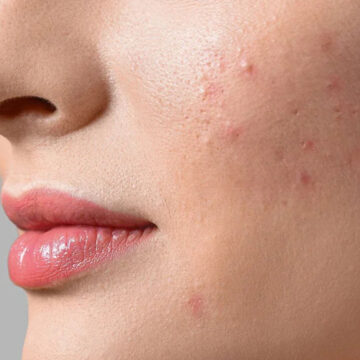
Acne is one of the most common skin conditions worldwide, affecting teenagers and adults alike. It occurs when hair follicles become clogged with oil, dead skin cells, and bacteria, leading to whiteheads, blackheads, pimples, or deeper cysts and nodules. Breakouts can appear on the face, chest, back, and shoulders and may fluctuate with hormones, diet, stress, and skincare habits. Understanding the underlying causes and evidence-based approaches to care can help you manage and reduce acne over time.
Why acne happens and what drives breakouts
Acne starts deep within hair follicles when excess sebum (oil) and dead skin cells mix and block pores. This creates a fertile environment for acne-causing bacteria such as Cutibacterium acnes to multiply, resulting in inflammation and visible breakouts. Hormonal fluctuations, especially during puberty, menstrual cycles, or hormonal disorders like PCOS, can increase oil production and make acne worse. Stress and poor sleep also influence hormone balance and inflammatory responses, contributing to flare-ups.
Diet, inflammation, and skin health
Dietary factors can influence acne by affecting inflammation and hormonal signaling. Diets high in high-glycemic foods (like white bread, sugary snacks, and processed carbs) can spike insulin and other hormones that stimulate sebum production, increasing the risk of breakouts. Cutting back on high-glycemic foods and sugary beverages may help reduce acne severity. Some evidence also links dairy products, especially milk and whey protein, with increased acne, possibly due to hormone-related effects.
Proven acne treatments and skincare steps
Topical treatments for acne
Retinoids, benzoyl peroxide, and other topical products help unclog pores, reduce inflammation, and support skin healing.
Prescription and medical treatments
Oral antibiotics, hormonal therapy, or isotretinoin may be recommended for moderate to severe acne.
Clinical procedures
Chemical peels, laser therapy, and professional extractions can address persistent acne or post-acne scarring.
- Chemical peel
- Morpheus8
Natural remedies
Some people use apple cider vinegar as a natural toner to help balance skin pH and reduce bacteria. Aloe vera gel is a gentle, natural remedy for acne-prone skin. It has antibacterial and anti-inflammatory properties that can help reduce redness, calm irritation, and promote healing of blemishes.
Lifestyle, prevention, and long-term skin health
While diet is not a single cure, certain eating patterns may support clearer skin over time. Focusing on low-glycemic, nutrient-dense foods, such as leafy greens, whole grains, lean proteins, and omega-3 rich fish, may help reduce systemic inflammation and stabilize blood sugar, both of which can influence sebum production and flare-ups. Hydration is also essential; water helps support skin elasticity, detoxification, and balanced oil production.
Healthy habits and trigger management
Good habits can help prevent breakouts and promote healing:
- Stay hydrated to support skin barrier function.
- Avoid touching or picking acne-prone areas to reduce irritation.
- Shower after sweating to remove excess oil and bacteria.
- Identify and reduce triggers such as stress, poor sleep, and friction from helmets or phone pressure on the face.
Consistent self-care and awareness of your triggers help you build a routine that minimizes breakouts over time.
Read also

Mediterranean diet: Does it really protect your brain?
The Mediterranean diet is the most researched dietary pattern in the world. But does it actually protect your brain from decline and dementia?

Foods that improve skin health naturally
Best foods that support skin health from the inside out: nutrients that boost hydration, collagen production, antioxidant defense, and resilience against aging.

Fiber and digestion: What does it actually do?
Fiber does far more than prevent constipation. Discover how soluble and insoluble fiber support your gut bacteria, digestion, and long-term health.

Understanding omega-3 fatty acids and health
Learn what omega-3 fatty acids are, their benefits, food sources, and whether supplements are necessary.

Foods for heart health: What really works
Heart disease is the world’s leading killer, but your diet is one of the most powerful tools against it. Discover which foods protect your heart and why they work.

Ultra-processed carbs: What they do to your brain
Snacking isn’t the real problem, ultra-processed carbohydrates are. New research shows they affect memory, focus, and long-term brain health.

Sober Margarita: Healthy benefits explained
Fitness coach Dan Go recently shared one of his favorite drinks on X — a simple mix he calls “The Sober Margarita.”

Does kimchi really strengthen your immune system
Explore how kimchi may support immune function, gut health, and overall wellbeing.

Social media is aging you: The hidden “health tax” explained
While social media offers connection and entertainment, heavy use carries quantifiable biological costs.
6 super seeds and their proven health benefits
Seeds are undeniably nutrient-dense and versatile, offering fiber, healthy fats, antioxidants, and plant-based protein.

Kombucha benefits: What science actually says
Kombucha may offer gut-supportive probiotics, antioxidant benefits, and metabolic support, especially when consumed in moderation.

Guava health benefits: Immune, heart, and skin
Guava is more than a tropical treat, it’s a nutrient-dense fruit with impressive benefits for immunity, digestion, heart health, and skin support.

Ginger benefits: Natural wellness and healing powerhouse
Ginger is more than a flavorful spice; it is a versatile natural remedy with scientifically supported benefits.

Vitamin D3: Essential nutrient for immunity and bones
Vitamin D3 is more than a bone nutrient; it is a key player in immunity, mental well-being, muscle function, and overall health.

Bone broth explained: Collagen, digestion, and immune health
Bone broth is a combination of collagen, amino acids, and minerals supports digestion, joint health, skin quality, and overall recovery.

How to reduce inflammation naturally
Reduce inflammation naturally with anti-inflammatory foods, regular movement, better sleep, stress control, and habits that support gut and overall health.

Goji berries health benefits
Goji berries, also known as wolfberries, have been used for thousands of years in traditional Chinese medicine.

Ginseng health benefits: Energy, immunity, and longevity
Ginseng has been used for thousands of years in traditional medicine, especially in Asia and North America.

Healing foods: What to eat to help your body recover naturally
Healing foods are packed with nutrients that support the body’s natural repair systems, reduce inflammation, and strengthen immunity.

8 healthy snacks to lose weight
Losing weight doesn’t mean you have to give up snacking. In fact, healthy snacks can help manage hunger, prevent overeating, and support your metabolism.

The role of whole foods in a healthy diet
Whole foods are foods that are as close to their natural form as possible. They’re free from added sugars, preservatives, flavorings.

Keto diet explained: How it works and benefits
The keto diet, short for ketogenic diet, is a low-carb, high-fat eating plan designed to shift your body into a state called ketosis.

Maracuyá health benefits: Colombia’s superfruit
Maracuyá, also known as passion fruit. In Colombia, this vibrant yellow fruit is a staple, and it’s packed with powerful health benefits.

5 health benefits of eating apples
Packed with fiber, vitamin C, and antioxidants, apples help boost immunity, aid digestion, and support heart health.

Magnesium: A natural relief for headaches
Studies show that magnesium deficiency is common in people who suffer from migraines, and supplementing with it may help reduce headaches.

The truth about alkaline water
Alkaline water has a higher pH level than regular drinking water. It's also often enriched with minerals like calcium, potassium, and magnesium.

Zinc benefits for hair: Why this mineral matters
Zinc is a vital trace mineral that plays a significant role in keeping your hair healthy and strong. Though often overlooked, zinc deficiency can lead to hair thinning, shedding, and even bald spots.

Carbohydrates: The key to energy and health
Carbohydrates are an essential macronutrient found in foods like bread, rice, pasta, fruits, and vegetables.

Healthy fats: How they support your health
Fats are essential macronutrients found in various foods, including nuts, oils, avocados, and butter.

Top protein foods for muscle building
Protein plays a vital role in muscle repair and growth, helping you achieve stronger and more defined muscles.

How coffee can improve your health
Coffee is more than just a comforting beverage; it offers a wide range of health benefits when consumed in moderation.

Fat‑burning foods to boost metabolism & support weight loss
Incorporating fat‑burning foods into your daily diet is an effective way to support metabolism, control appetite, and enhance weight‑management efforts.

Dark chocolate: Improves blood circulation and protects the heart
Dark chocolate is rich in flavonoids, which improve blood circulation, lower blood pressure, and protect the heart.

Leafs that can improve your brain health
The nitrates in greens improve blood flow and support heart function.