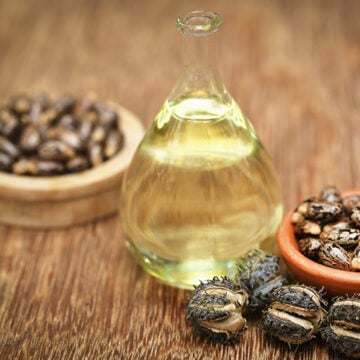
Castor oil has been used for centuries in traditional medicine, skincare, and hair care. Today, it’s trending again, praised for everything from promoting hair growth to soothing inflammation and supporting gut health. But what does castor oil actually do, and which benefits are backed by science rather than hype? Let’s explore why this thick, nutrient-rich oil continues to earn a place in modern wellness routines.
Castor oil for hair and skin
Castor oil is rich in ricinoleic acid, a fatty acid known for its moisturizing and anti-inflammatory properties. When applied topically, it helps lock in moisture, strengthen the skin barrier, and calm irritation. This makes castor oil especially popular for dry skin, flaky patches, and areas prone to sensitivity.
For hair and scalp care, castor oil supports scalp hydration and circulation, creating a healthier environment for hair growth. While it doesn’t directly stimulate new follicles, it may help reduce breakage and improve hair thickness over time by nourishing the scalp and strands.
Anti-inflammatory and wellness support
Castor oil has long been used in compresses and massage therapies to support circulation and inflammation reduction. Its warming effect may help ease muscle tension, joint discomfort, and mild swelling. Some people also use castor oil packs to support digestive comfort and lymphatic flow, although results vary and should be viewed as complementary rather than medical treatments.
Its antimicrobial properties further contribute to overall skin and wellness support.
Conclusion
Castor oil is a versatile, time-tested natural remedy with benefits for skin hydration, scalp health, inflammation relief, and overall wellness support. While it’s not a miracle cure, consistent and mindful use can complement a holistic self-care routine. As with all natural treatments, results depend on quality, consistency, and individual skin or health needs.