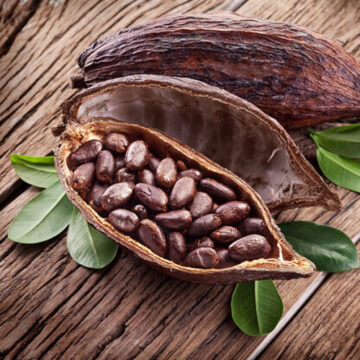
Dark chocolate isn’t just a delicious nutritional treat, its rich flavonoids and antioxidants have been scientifically associated with improved blood circulation and cardiovascular protection. While moderation is key, choosing high‑quality dark chocolate with a higher cocoa content may offer measurable benefits for vascular function, blood pressure, and long‑term heart health. This guide explores how dark chocolate works in the body, the science behind its benefits, and how to enjoy it responsibly as part of a balanced lifestyle.
The science behind dark chocolate and blood flow
Flavonoids and nitric oxide, the circulation connection
Dark chocolate contains flavonoids, particularly a subtype called flavanols, which have been shown to enhance the production of nitric oxide in the endothelium, the inner lining of blood vessels. Nitric oxide acts as a vasodilator, relaxing the walls of arteries and improving blood flow throughout the body. Better blood circulation supports efficient nutrient and oxygen delivery to tissues and helps reduce strain on the heart.
Antioxidant support for vascular health
In addition to flavonoids, dark chocolate contains powerful antioxidants that help neutralize free radicals, unstable molecules that contribute to oxidative stress and endothelial damage. By reducing oxidative stress, dark chocolate may help maintain the integrity of blood vessels, contributing to healthier circulation and a reduced risk of vascular dysfunction.
Cardiovascular benefits of dark chocolate
Blood pressure regulation and heart protection
Moderate consumption of dark chocolate has been linked to modest reductions in systolic and diastolic blood pressure. This effect is believed to result from enhanced vasodilation and reduced vascular resistance due to flavanol‑induced nitric oxide release. Lower blood pressure reduces the risk of heart disease, stroke, and heart attack over time.
Cholesterol balance and inflammation control
Some studies suggest that dark chocolate may help improve cholesterol profiles by increasing HDL (the “good” cholesterol) and reducing LDL oxidation. Oxidized LDL particles are more likely to contribute to plaque formation in arteries. Additionally, dark chocolate’s bioactive compounds may help lower markers of inflammation, which plays a significant role in atherosclerosis and cardiovascular disease progression.
Endothelial function and long‑term heart health
The endothelium plays a central role in cardiovascular health, influencing clotting, immune function, and vascular tone. By supporting endothelial function through antioxidant and anti‑inflammatory effects, dark chocolate contributes to overall cardiovascular resilience.