

Hair loss can affect both men and women, impacting appearance, self-esteem, and overall confidence. Causes range from genetics and hormonal changes to stress, nutrition, and underlying medical conditions. Understanding the available hair loss treatments, their mechanisms, and how to choose the right option is essential for achieving lasting results. This guide explores evidence-based treatments and practical strategies to help you restore hair growth and maintain scalp health.
Understanding hair loss and its causes
Common types of hair loss
Hair loss can present in several forms: androgenetic alopecia (pattern baldness), telogen effluvium (stress or illness-related shedding), alopecia areata (autoimmune hair loss), and traction alopecia (damage from hairstyles). Each type requires a targeted approach, and identifying the cause is the first step toward effective treatment.
Risk factors and triggers
Genetics, aging, hormonal imbalances, chronic stress, poor nutrition, and certain medical conditions can accelerate hair thinning. Lifestyle factors such as smoking, inadequate sleep, and harsh hair treatments may also contribute. Recognizing triggers allows for preventive strategies alongside medical interventions.
Importance of early intervention
Early treatment increases the chances of hair regrowth and minimizes permanent thinning. Consulting a dermatologist or trichologist helps assess the type of hair loss and develop a tailored treatment plan before hair follicles are irreversibly damaged.
Effective hair loss treatments and therapies
Powerful natural ingredients
Several natural ingredients have been shown to support hair health and potentially stimulate growth. Ingredients like biotin, saw palmetto, caffeine, rosemary oil, and aloe vera help nourish follicles, reduce inflammation, and improve scalp circulation. While not a replacement for medical treatments, incorporating these ingredients into shampoos, oils, or supplements can complement your hair loss strategy. Regular use, combined with a balanced diet and proper scalp care, may enhance overall results and maintain hair vitality.
Topical and oral medications
FDA-approved options like minoxidil (topical) and finasteride (oral, for men) are widely used to stimulate hair growth and slow hair thinning. Minoxidil promotes blood flow to the scalp, prolonging the growth phase of hair follicles, while finasteride blocks the hormone DHT, a key contributor to male pattern baldness. Results vary, and ongoing use is often necessary to maintain benefits.
Advanced procedures and technologies
Treatments like low-level laser therapy (LLLT), platelet-rich plasma (PRP) injections, and microneedling stimulate hair follicles, increase scalp circulation, and encourage regrowth. These procedures are typically performed under professional supervision and can be combined with topical or oral medications for enhanced results.
Hair transplant surgery
For significant or permanent hair loss, surgical options like follicular unit transplantation (FUT) or follicular unit extraction (FUE) provide a long-term solution. Transplanted hair follicles are typically resistant to DHT, making this approach particularly effective for androgenetic alopecia. A consultation with a skilled surgeon is essential to determine candidacy and expected outcomes.
Lifestyle and home strategies to support hair health
Nutrition and supplementation
A diet rich in protein, vitamins (especially biotin, vitamin D, and B-complex), minerals (zinc and iron), and omega-3 fatty acids supports healthy hair growth. Supplements may be recommended if dietary intake is insufficient, but should be used under guidance to avoid imbalances.
Stress management and sleep
Chronic stress can trigger telogen effluvium, leading to temporary hair shedding. Adequate sleep can reduce stress-related hair loss and improve overall scalp health.
Proper hair care practices
Gentle hair care reduces breakage and traction damage. Avoid tight hairstyles, harsh chemical treatments, and excessive heat styling. Regular scalp massages can improve circulation and help maintain follicle vitality.
Conclusion
Hair loss treatments are most effective when tailored to the underlying cause and combined with supportive lifestyle measures. From topical medications and advanced procedures to nutritional and stress management strategies, multiple options exist to slow hair loss and promote regrowth. Early intervention, consistency, and professional guidance are key to achieving optimal outcomes. By understanding your hair loss type and available therapies, you can take actionable steps toward restoring hair health and confidence.
Read also

Castor oil benefits: Ancient remedy for skin, hair and welness
Castor oil is a versatile, time-tested natural remedy with benefits for skin hydration, hair growth, inflammation relief, and overall wellness support.
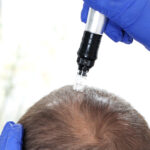
Microneedling for hair growth explained
Microneedling offers a science-backed approach to stimulating hair regrowth by improving scalp health, circulation, and follicle activity.

Rosemary Aromatica Root Enhancer: Does it really work?
Rosemary Aromatica Root Enhancer is marketed as a natural hair growth and scalp revitalization product.

Hair growth oil: Strengthens and thickens your hair
Hair growth oil is a powerful addition to any hair care routine. With regular use can strengthen hair, improve scalp health, and encourage natural regrowth.

Red Light Therapy for hair regrowth
Red light therapy (RLT) is becoming popular for helping with hair loss. But does it really work?

Scalp massage for thicker hair: Easy techniques that work
Looking to boost hair growth naturally? Scalp massage might be the simple secret you’re missing.

Zinc benefits for hair: Why this mineral matters
Zinc is a vital trace mineral that plays a significant role in keeping your hair healthy and strong. Though often overlooked, zinc deficiency can lead to hair thinning, shedding, and even bald spots.