Reviewed by:

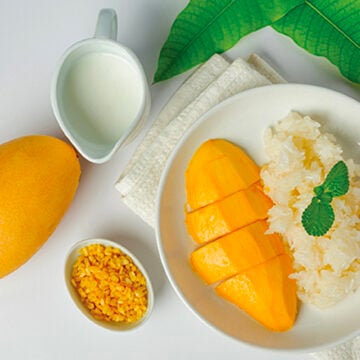
A warm plate of sticky rice topped with creamy coconut sauce and ripe mango slices feels like pure comfort, but how does it actually fit into a healthy lifestyle? This beloved Southeast Asian dessert is often seen as indulgent, but its nutritional story is more layered than it seems. Depending on portion size, ingredients, and frequency, mango with sticky rice can range from a nourishing treat to a sugar-heavy dessert that needs balance. Let’s break it down in a simple, realistic way so you know exactly what you’re enjoying every time you take a bite.
What makes mango with sticky rice so irresistible to the body and brain
Mango with sticky rice, often known in Thailand as “Khao Niew Mamuang,” combines three core elements: ripe mango, glutinous rice, and sweetened coconut milk. Each component contributes something unique, both in flavor and nutritional profile. The mango brings natural sweetness along with vitamin C, vitamin A, and fiber. It supports hydration and provides antioxidants that help protect cells from oxidative stress. The sticky rice, made from glutinous rice, delivers energy in the form of carbohydrates, but it is rapidly digestible, meaning it can raise blood sugar levels relatively quickly. Coconut milk adds creaminess and a rich mouthfeel, contributing fats, mostly saturated, but also small amounts of minerals like manganese and copper. Together, these ingredients create a dessert that is both energy-dense and flavor-rich. It is not just food; it is an experience that activates reward pathways in the brain due to the combination of sugar, fat, and texture contrast.
In Thailand, mango season is considered a cultural highlight, and mango with sticky rice often becomes a symbolic seasonal dish rather than an everyday food. From a nutritional standpoint, this combination is neither purely “healthy” nor “unhealthy, it sits somewhere in between, depending on how it is prepared and consumed.
Why texture and sugar combo makes it hard to resist
One reason mango with sticky rice is so satisfying is the interplay of textures: soft mango, chewy rice, and silky coconut cream. This combination slows down eating pace slightly, but the sugar content still delivers a quick energy boost. This is why many people feel an immediate sense of satisfaction followed by a mild energy dip afterward if consumed in large portions.




Nutritional breakdown and how it affects your body
To understand how healthy mango with sticky rice really is, it helps to look at how each component interacts with the body when consumed together. Mango provides natural sugars like fructose along with fiber, which helps slow absorption compared to refined sugar alone. However, when paired with sticky rice, the overall carbohydrate load increases significantly. Glutinous rice is high in starch and has a high glycemic impact, meaning it can raise blood sugar levels relatively quickly. Coconut milk adds a different dimension. It contains medium-chain triglycerides (MCTs), a type of fat that is metabolized differently than long-chain fats. While this can offer quick energy, coconut milk is still calorie-dense, which makes the dish quite rich overall.
From a calorie perspective, a typical serving of mango with sticky rice can range widely depending on portion size and coconut milk quantity. Larger servings can easily become equivalent to a full meal in energy content rather than a light dessert. However, this does not automatically make it “bad.” The key concern is frequency and portion control rather than occasional enjoyment.
Blood sugar response and energy fluctuations
Because sticky rice is quickly broken down into glucose, it can cause a noticeable rise in blood sugar levels. When paired with mango, which also contains natural sugars, the effect becomes more pronounced. For most healthy individuals, this is not an issue when eaten occasionally. However, for those managing insulin resistance or metabolic concerns, portion size becomes particularly important. Balancing it with protein or consuming it after a balanced meal can help reduce rapid spikes.
Health benefits hidden inside mango sticky rice
Despite its reputation as a dessert, mango with sticky rice does carry some genuine nutritional benefits when eaten in moderation. Mango is rich in beta-carotene, which supports eye health and immune function. It also provides fiber that aids digestion and supports gut regularity. Coconut milk contains small amounts of minerals that contribute to electrolyte balance, and glutinous rice provides quick energy, which can be useful after physical activity. When consumed as part of a balanced diet, this dessert can serve as a satisfying energy source rather than just empty calories. Cultural eating patterns in many Southeast Asian countries often include desserts like this in small portions after meals rather than as standalone snacks, which naturally helps regulate intake.
In traditional Thai food culture, desserts were historically less sweet than modern versions, and sweetness levels have gradually increased over time due to changing taste preferences. From a psychological perspective, allowing occasional indulgent foods like this can also support dietary sustainability. Completely restricting enjoyable foods often leads to stronger cravings later, making moderation a more realistic long-term approach.
Why homemade versions can be a better choice
Homemade mango with sticky rice gives more control over sugar and coconut milk content. Reducing added sugar in the coconut sauce or using lighter coconut milk can significantly lower calorie density while preserving flavor. Commercial versions often prioritize richness and sweetness for taste appeal, which can unintentionally increase sugar and fat content beyond what is necessary for enjoyment.
When mango with sticky rice becomes less healthy
While this dessert has benefits, there are situations where it can lean toward being less healthy, especially when consumed frequently or in large portions. The combination of refined carbohydrates and added sugar can contribute to excess calorie intake if not balanced with physical activity. Over time, frequent consumption of high-sugar desserts may affect energy stability and contribute to weight gain when overall diet quality is not managed. Another concern is portion distortion. Restaurant servings are often larger than traditional homemade portions, which can significantly increase sugar and calorie intake without the consumer realizing it. People with metabolic conditions or those monitoring blood sugar levels should be particularly mindful of timing and portion size. Eating it as an occasional treat rather than a regular dessert helps maintain balance.
Conclusion: A dessert that can fit into a balanced lifestyle
Mango with sticky rice is best understood not as a “healthy food” or “unhealthy food,” but as a culturally rich dessert that can fit into a balanced lifestyle when consumed thoughtfully. It provides natural fruit nutrients, satisfying energy, and cultural enjoyment, but it is also calorie-dense and high in rapidly digestible carbohydrates. The healthiest approach is moderation, portion awareness, and mindful enjoyment. When treated as an occasional indulgence rather than a daily habit, it can absolutely be part of a well-rounded diet without guilt or concern.
FAQ: How healthy is mango with sticky rice?
Is mango with sticky rice healthy or unhealthy?
It is neither strictly healthy nor unhealthy. It depends on portion size, frequency, and overall diet balance.
Can I eat mango with sticky rice while trying to lose weight?
Yes, but in small portions and occasionally, as it is calorie-dense and high in carbohydrates.
Is mango with sticky rice high in sugar?
Yes, it contains natural sugars from mango and added sugars in coconut milk, making it a sweet dessert.
Is coconut milk in mango sticky rice unhealthy?
Coconut milk is calorie-rich and high in fat, but it can be included in moderation as part of a balanced diet.
Does mango with sticky rice spike blood sugar?
It can cause a moderate to high blood sugar rise due to sticky rice and sugar content, especially in large servings.
Is it better to eat mango sticky rice after a meal or alone?
Eating it after a balanced meal may help slow sugar absorption compared to eating it alone.