
Medically reviewed by:

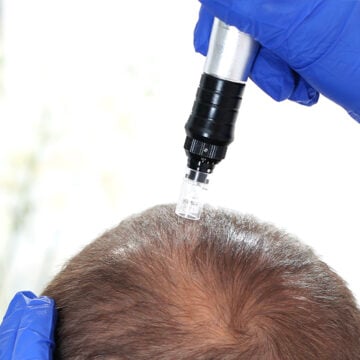
If you’ve been searching for a real solution to thinning hair, you’ve probably come across microneedling, and wondered if tiny needles can actually make a big difference. The truth is, microneedling hair treatments have gained massive attention for a reason. From dermatology clinics to at-home rollers, this technique is reshaping how people approach hair regrowth. But does it truly work, and is it right for you? Let’s break it down in a way that’s clear, realistic, and backed by evidence.
How microneedling hair treatment stimulates growth naturally
Microneedling involves using fine needles to create controlled micro-injuries on the scalp. While this may sound intense, the process is designed to trigger the body’s natural repair response. When the scalp experiences these tiny punctures, it increases blood circulation and activates growth factors that support hair follicle health. These micro-injuries encourage the production of collagen and improve the environment around hair follicles. Over time, this may help strengthen existing hair and stimulate dormant follicles to re-enter the growth phase. This is particularly relevant for individuals experiencing pattern hair loss or thinning. Another key factor is absorption. Microneedling enhances the penetration of topical treatments such as minoxidil or growth serums. When applied after treatment, these products can reach deeper layers of the scalp, potentially increasing their effectiveness.
Why the scalp responds to controlled micro-Injury
The scalp is rich in blood vessels and regenerative cells. When microneedling is performed correctly, it sends signals to repair and rebuild tissue. This process may improve follicle function, especially in areas where hair has become weak or miniaturized. Some early research suggests that combining microneedling with topical treatments can produce better results than using topical solutions alone. Hair growth cycles take time, and visible improvements often require consistent sessions over several months.
Hair | Topics
Effectiveness, evidence, and realistic Expectations
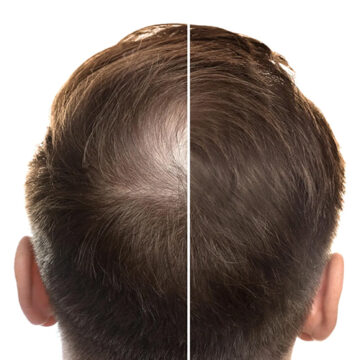
Microneedling hair treatments have been studied in clinical settings, particularly in combination with established therapies. Several studies have shown that individuals using microneedling alongside topical treatments experienced improved hair density compared to those using topical treatments alone. That said, results can vary widely depending on the individual. Factors such as age, severity of hair loss, genetics, and overall scalp health all play a role. Microneedling tends to be more effective in early to moderate stages of hair thinning rather than advanced hair loss where follicles are no longer active.
It is also important to understand that microneedling is not a permanent cure. It is a supportive treatment that requires consistency and maintenance. Stopping treatment may gradually reduce its benefits over time.
At-home vs professional microneedling
At-home devices like derma rollers are widely available and more affordable, but they come with limitations. Needle length is typically shorter, which may reduce effectiveness compared to professional treatments.
Professional microneedling, performed in clinical settings, uses advanced devices that allow for controlled depth and precision. This can improve outcomes but also requires higher costs and proper scheduling. Needle depth matters, studies often use depths between 0.5 mm and 1.5 mm for scalp treatments, which are difficult to replicate safely at home.
Safety is another key consideration. Improper technique or hygiene can lead to irritation, infection, or damage to the scalp. This is why guidance from a qualified professional is often recommended, especially for beginners.
Risks, side effects, and who should be cautious
While microneedling hair treatments are generally considered safe when performed correctly, they are not completely risk-free. Temporary redness, mild swelling, and sensitivity are common after sessions. These effects usually subside within a day or two. More serious complications are rare but can occur if the procedure is done improperly. Using unsterilized tools or applying excessive pressure may lead to infections or scarring. Individuals with certain scalp conditions, such as active infections, psoriasis, or severe dermatitis, should avoid microneedling until the condition is treated. Another important consideration is expectations. Microneedling is often marketed as a miracle solution, but it works best as part of a broader hair care strategy. Combining it with proper nutrition, stress management, and medical treatments when necessary can produce better outcomes.
When microneedling may not be the best option
Microneedling may not be effective for individuals with complete follicle loss, such as advanced baldness where hair follicles are no longer viable. In such cases, other treatments like hair transplants may be more appropriate. It is also not suitable for individuals who are unable to maintain proper hygiene practices or follow aftercare instructions, as this increases the risk of complications.
Conclusion: Is microneedling hair treatment worth trying?
Microneedling hair treatments offer a promising approach for individuals looking to support hair regrowth and improve scalp health. By stimulating natural repair processes and enhancing product absorption, it provides a unique and increasingly popular method for addressing hair thinning. However, it is not a one-size-fits-all solution. Its effectiveness depends on consistency, proper technique, and realistic expectations. When used correctly and combined with other supportive treatments, microneedling can be a valuable part of a long-term hair care strategy. For anyone considering this approach, understanding both the benefits and limitations is essential. Informed decisions lead to better outcomes, and healthier hair.
FAQ
Does microneedling really regrow hair?
It can support hair regrowth, especially when combined with treatments like minoxidil, but results vary by individual.
How often should I do microneedling for hair?
Most protocols suggest once a week or every two weeks, depending on needle length and scalp sensitivity.
Can I do microneedling at home?
Yes, but it is important to use proper techniques and hygiene. Professional treatments may offer better results.
Is microneedling painful?
Discomfort is usually mild, especially with shorter needles. Professional treatments may use numbing agents.
How long does it take to see results?
Visible improvements typically take 3 to 6 months with consistent use.
Can microneedling damage hair follicles?
When done correctly, it should not damage follicles. Improper technique, however, may cause harm.
Last updated
April 13, 2026Medically reviewed by:
Read also

Castor oil benefits: Ancient remedy for skin, hair and welness
Castor oil is a versatile, time-tested natural remedy with benefits for skin hydration, hair growth, inflammation relief, and overall wellness support.

Rosemary Aromatica root enhancer: Does it really work?
Rosemary Aromatica Root Enhancer is marketed as a natural hair growth and scalp revitalization product.

Hair growth oil: Strengthens and thickens your hair
Hair growth oil is a powerful addition to any hair care routine. With regular use can strengthen hair, improve scalp health, and encourage natural regrowth.

Red Light Therapy for hair regrowth
Red light therapy (RLT) is becoming popular for helping with hair loss. But does it really work?

Scalp massage for thicker hair: Easy techniques that work
Looking to boost hair growth naturally? Scalp massage might be the simple secret you’re missing.

Zinc benefits for hair: Why this mineral matters
Zinc is a vital trace mineral that plays a significant role in keeping your hair healthy and strong. Though often overlooked, zinc deficiency can lead to hair thinning, shedding, and even bald spots.

Hair loss treatment: Powerful solutions to restore your hair
Hair loss treatments are most effective when tailored to the underlying cause and combined with supportive lifestyle measures.