
Medically reviewed by:

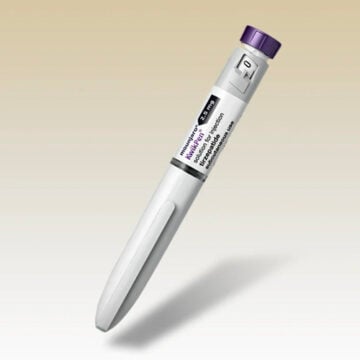
Mounjaro, known generically as tirzepatide, has quickly become one of the most talked-about medications in modern metabolic health. Originally developed for type 2 diabetes, it is now widely recognized for its remarkable effects on weight loss and blood sugar control. What makes Mounjaro unique is its dual-action mechanism. It activates both GLP-1 (glucagon-like peptide-1) and GIP (glucose-dependent insulinotropic polypeptide) receptors, two key hormones involved in regulating blood sugar and appetite.
Did you know? Most older medications, like semaglutide, target only one of these pathways. Mounjaro’s ability to target two hormonal systems simultaneously is what sets it apart and may explain its stronger effects.
When you eat, these hormones signal your pancreas to release insulin, slow down stomach emptying, and reduce appetite. By enhancing these natural processes, Mounjaro helps stabilize blood glucose levels while also promoting a feeling of fullness. This combination is particularly valuable in a world where obesity and diabetes are increasingly interconnected. Interestingly, clinical trials have shown that people using tirzepatide experienced significantly greater weight loss compared to traditional diabetes medications. Some participants lost over 20% of their body weight, a result that begins to approach outcomes seen with bariatric surgery.
Mounjaro for weight loss: Hype or real medical breakthrough?
One of the main reasons Mounjaro has captured global attention is its effectiveness in weight management. While it is officially approved for type 2 diabetes, many healthcare providers prescribe it off-label for weight loss. The results have been striking, but they also raise important questions about long-term use and expectations. Mounjaro works by reducing appetite, increasing satiety, and influencing how the body stores fat. Many users report feeling full faster and having fewer cravings, particularly for high-calorie foods. This creates a natural calorie deficit without the constant struggle associated with traditional dieting.
Some studies suggest that medications like tirzepatide may also influence brain reward pathways, reducing the emotional drive to eat. This could explain why users often describe a “quieting” of food-related thoughts.
The critical perspective: Risks, costs, and limitations
Despite its impressive benefits, Mounjaro is not without drawbacks. Common side effects include nausea, vomiting, and gastrointestinal discomfort, particularly during the early stages of treatment. These symptoms often improve over time, but they can be significant enough to cause some users to stop treatment. There are also concerns about accessibility and cost. Mounjaro can be expensive, and insurance coverage varies widely. This raises ethical questions about who can realistically benefit from such treatments, especially when obesity disproportionately affects lower-income populations.
Another important consideration is sustainability. Weight loss achieved with Mounjaro may not be permanent if the medication is discontinued. Studies indicate that some individuals regain weight after stopping treatment, suggesting that it may need to be part of a long-term strategy rather than a temporary solution.



Beyond weight loss: Mounjaro’s role in metabolic health
While much of the attention around Mounjaro focuses on weight loss, its primary medical purpose remains the management of type 2 diabetes. By improving insulin sensitivity and lowering blood glucose levels, it helps reduce the risk of long-term complications such as cardiovascular disease, kidney damage, and nerve issues.
Improved blood sugar control can significantly reduce the risk of heart attacks and strokes in people with diabetes. This makes medications like Mounjaro not just about weight, but about long-term survival and quality of life.
Emerging research also suggests that tirzepatide may have broader metabolic benefits. Early findings indicate potential improvements in cholesterol levels, liver fat reduction, and inflammatory markers. These effects are particularly relevant in conditions like metabolic syndrome and non-alcoholic fatty liver disease (NAFLD).
Who should and shouldn’t use mounjaro?
Mounjaro is typically prescribed for adults with type 2 diabetes, especially those who have not achieved adequate control with other medications. It may also be considered for individuals with obesity under medical supervision. However, it is not suitable for everyone. People with a history of certain thyroid cancers or pancreatitis may need to avoid it. As with any medication, proper medical evaluation is essential before starting treatment.
Conclusion: Is Mounjaro the future of weight and diabetes care?
Mounjaro represents a significant shift in how we approach both diabetes and obesity. By targeting multiple hormonal pathways, it offers a more comprehensive solution than many older treatments. Its ability to produce meaningful weight loss alongside improved metabolic health has positioned it as a potential game-changer in modern medicine. At the same time, it is important to view Mounjaro with balanced expectations. It is not a miracle cure, and its effectiveness depends on consistent use, medical supervision, and integration with healthy lifestyle habits. Cost, accessibility, and long-term sustainability remain important challenges.
Ultimately, Mounjaro highlights a broader trend in healthcare: the move toward personalized, biology-driven treatments that address the root causes of disease rather than just the symptoms.
FAQ
What is Mounjaro used for?
Mounjaro is primarily used to treat type 2 diabetes by improving blood sugar control, though it is also widely used for weight management under medical supervision.
How quickly does Mounjaro work?
Many users notice appetite changes within weeks, while significant weight loss and blood sugar improvements typically occur over several months.
Is Mounjaro safe for long-term use?
Current research suggests it is safe for many patients when monitored by a healthcare provider, but long-term data is still being collected.
Can you regain weight after stopping Mounjaro?
Yes, some individuals regain weight after discontinuation, highlighting the importance of lifestyle changes alongside medication.
Does Mounjaro replace diet and exercise?
No, it works best when combined with healthy eating and regular physical activity.