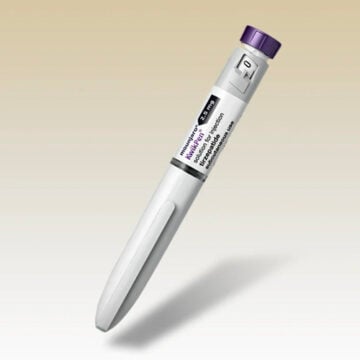

Ozempic has become one of the most talked‑about medications for weight management in recent years. Originally developed to treat type 2 diabetes, its active ingredient, semaglutide, also reduces appetite and helps many people achieve significant weight loss when combined with lifestyle changes. This guide explains how the Ozempic effect works, why it influences appetite and metabolism, and what to consider for safe, sustainable results.
Understanding the Ozempic effect on weight loss
Ozempic contains semaglutide, a glucagon‑like peptide‑1 (GLP‑1) receptor agonist that mimics a hormone produced in the gut. It works by slowing gastric emptying, which helps you feel full longer after meals. This reduced hunger leads to lower calorie intake, making it easier to maintain a calorie deficit — a key factor in weight loss. Additionally, semaglutide affects brain centers that regulate appetite and reward pathways, reducing cravings and emotional eating.
Impact on blood sugar and metabolic function
Because semaglutide slows digestion and reduces appetite, it also contributes to more stable blood sugar levels after meals. People with insulin resistance or prediabetes may experience improved glucose control when using Ozempic, which can further support weight‑management efforts by reducing spikes and energy swings that often lead to overeating.
Benefits and outcomes of the Ozempic effect
Clinical studies show that many people taking Ozempic as part of a supervised plan can achieve meaningful weight loss over several months. Results vary by individual, but reductions in body weight often occur gradually and are associated with improvements in blood glucose, blood pressure, and metabolic biomarkers. One of the core strengths of the Ozempic effect is its ability to change how people experience hunger. Many users report fewer cravings, reduced urge to snack between meals, and a sense of fullness that helps maintain long‑term dietary changes. These behavioral shifts can make lifestyle adjustments feel less burdensome.
Realistic expectations and long‑term habits
While Ozempic supports weight loss, it is not a magic solution. Incorporating balanced nutrition, regular physical activity, and behavioral strategies is essential to sustain results. Medical weight loss tends to be more successful and long‑lasting when medication is paired with structured lifestyle changes.
Safety, side effects, and informed use of Ozempic
Many people experience mild gastrointestinal side effects during the first weeks of Ozempic treatment, including nausea, diarrhea, or mild stomach discomfort. These often lessen over time as the body adjusts. Starting with a low dose and gradually increasing under supervision can help minimize discomfort.
Rare but important considerations
Although uncommon, more serious effects such as pancreatitis or gallbladder issues have been reported. Individuals with a history of these conditions or certain thyroid cancers should discuss risks with their provider. Monitoring and regular follow‑ups help catch concerns early and ensure your treatment plan remains safe.
Who should consider Ozempic for weight management
Ozempic is typically prescribed for people with type 2 diabetes and is also used off‑label for weight loss under medical supervision. It may be particularly helpful for individuals with obesity, metabolic syndrome, or difficulty achieving weight loss through diet and exercise alone. A full medical evaluation helps determine if it’s appropriate for you.