
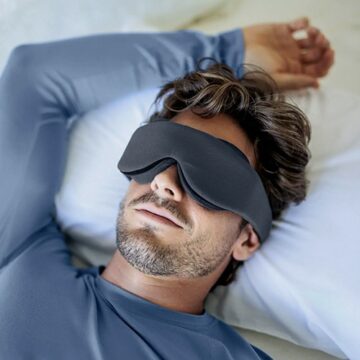
Sleep is often called “beauty sleep” for good reason. During deep sleep, the body enters a restorative mode that supports not only brain and immune function but also the repair and regeneration of skin tissues. Insufficient or poor‑quality sleep disrupts key physiological processes, increasing inflammation, slowing healing, and accelerating visible aging. Understanding how sleep interacts with skin biology can help you protect your skin’s resilience, glow, and long‑term health.
How sleep supports skin’s natural repair processes
During sleep, especially deep (slow‑wave) sleep, the body increases blood flow to the skin, delivering oxygen and nutrients necessary for repair. Growth hormone, which plays a critical role in tissue regeneration, is released primarily at night. This boosts collagen production, which maintains elasticity and reduces the formation of fine lines and wrinkles. Sleep also supports cellular turnover, meaning older, damaged skin cells are replaced with fresher ones more efficiently. Without adequate sleep, these processes slow, leaving skin dull, dehydrated, and more prone to irritation.
The consequences of poor sleep for skin appearance and function
Inflammation, aging, and impaired barrier function
Lack of quality sleep elevates stress hormones like cortisol, which can trigger inflammation throughout the body, including the skin. Chronic inflammation impairs the skin’s protective barrier, making it more susceptible to redness, dryness, acne flares, and sensitivity. Cortisol also breaks down collagen more rapidly, which contributes to sagging skin, deeper wrinkles, and uneven texture over time.
Sleep loss and under‑eye concerns
One of the earliest visible signs of insufficient sleep is puffiness and dark circles under the eyes. Poor lymphatic drainage and increased fluid retention during sleep deprivation lead to swelling. Additionally, blood vessels under thin under‑eye skin become more visible when you’re tired, creating shadows and darker tones.
Why sleep matters as much as skincare
Quality sleep is not a luxury, it’s a biological necessity for healthy skin. While serums, moisturizers, and professional treatments have their place, no topical product can replace the internal healing that occurs during deep rest. Sleep fuels cellular repair, collagen production, inflammation control, and barrier resilience, all of which are foundational to radiant, youthful skin. Prioritizing rest as part of your holistic skin health strategy leads not only to a fresher appearance but also to better overall wellness.
Read also

Foods that improve skin health naturally
Best foods that support skin health from the inside out: nutrients that boost hydration, collagen production, antioxidant defense, and resilience against aging.

Why sunscreen is essential for skin health
Discover why daily sunscreen protects your skin from sunburn, aging, DNA damage, and cancer risk.

Collagen powder: Valuable and supportive for skin health
Collagen powder can be a valuable supportive treatment for skin health, aging, and connective tissue strength.
Nida botox cream: Wrinkle solution or marketing hype?
Nida Botox Cream is promoted as a topical anti-aging product designed to smooth fine lines and improve skin appearance without injections.
Eczema Cream: Choosing the right product for sensitive skin
Choosing an eczema cream for sensitive skin requires extra care, as harsh ingredients can worsen irritation and trigger flare-ups.

Bee venom cream reviews: Benefits, risks, and results
Bee venom cream has become a popular skincare trend, often marketed as a natural solution to improve firmness, smooth fine lines, and boost radiance.
Seoul 1988 cream: Korean moisturizer for hydration
Discover Seoul 1988 Cream: a Korean moisturizer with ceramides & fermented green tea for hydration, barrier repair, and a natural glow.