

Red light therapy (RLT), also known as low‑level laser therapy (LLLT) or photobiomodulation, has gained attention as a non‑invasive treatment for hair thinning and regrowth. By delivering specific wavelengths of light to the scalp, RLT may stimulate cellular activity and support healthier hair follicles. While results vary among individuals, research suggests that red light therapy shows promise, especially when combined with other treatments.
How red light therapy works for hair health
Red light therapy uses wavelengths in the red and near‑infrared spectrum (typically around 630–670 nm) to penetrate the scalp. These wavelengths are absorbed by mitochondria — the “energy factories” of cells, where they may enhance ATP production (cellular energy). This boost in energy can improve follicle function and support healthier hair growth cycles. Increased follicular activity may help prolong the anagen (growth) phase and reduce the duration of the resting (telogen) phase, potentially resulting in fuller, thicker hair over time.
Improved circulation and scalp environment
Another proposed mechanism of RLT is improved microcirculation in the scalp. Better blood flow delivers oxygen and nutrients to hair follicles, which supports cellular maintenance and may reduce miniaturization, a hallmark of androgenetic hair loss. While red light therapy is not a cure for all hair loss types, its impact on vascular and cellular environments can create conditions that favor regrowth.
Evidence and benefits of red light therapy for hair regrowth
Several clinical trials have shown that red light therapy can produce measurable hair count increases, improved hair thickness, and patient‑reported satisfaction in people with androgenetic alopecia (pattern hair loss). In these studies, participants often used RLT devices, such as helmets, combs, or panels, multiple times per week for several months. While outcomes vary, many users experience slower shedding, visibly fuller hair, and increased hair density compared with untreated groups.
Hair loss types most likely to benefit
Red light therapy appears most effective for early‑to‑moderate androgenetic alopecia, where hair follicles are still viable and not permanently lost. It is less effective for complete follicle loss, scar tissue formation (scarring alopecia), or autoimmune conditions like alopecia areata where immune factors dominate. Combining RLT with other evidence‑based treatments, such as topical minoxidil or lifestyle strategies, may enhance results for suitable candidates.
Red light therapy as part of a strategic approach
Red light therapy offers a promising, non‑invasive option for individuals seeking to support hair regrowth, especially in early‑to‑moderate hair thinning. Its mechanisms, from cellular energy enhancement to improved microcirculation, create a scalp environment conducive to follicle health. While results vary, combining RLT with proven hair loss treatments, good nutrition, and healthy habits can maximize potential benefits. Realistic expectations and consistency over time are essential for meaningful progress.

Guava health benefits: Immune, heart, and skin
Guava is more than a tropical treat, it’s a nutrient-dense fruit with impressive benefits for immunity, digestion, heart health, and skin support.
Read also

Castor oil benefits: Ancient remedy for skin, hair and welness
Castor oil is a versatile, time-tested natural remedy with benefits for skin hydration, hair growth, inflammation relief, and overall wellness support.
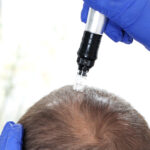
Microneedling for hair growth explained
Microneedling offers a science-backed approach to stimulating hair regrowth by improving scalp health, circulation, and follicle activity.

Rosemary Aromatica Root Enhancer: Does it really work?
Rosemary Aromatica Root Enhancer is marketed as a natural hair growth and scalp revitalization product.

Hair growth oil: Strengthens and thickens your hair
Hair growth oil is a powerful addition to any hair care routine. With regular use can strengthen hair, improve scalp health, and encourage natural regrowth.

Scalp massage for thicker hair: Easy techniques that work
Looking to boost hair growth naturally? Scalp massage might be the simple secret you’re missing.

Zinc benefits for hair: Why this mineral matters
Zinc is a vital trace mineral that plays a significant role in keeping your hair healthy and strong. Though often overlooked, zinc deficiency can lead to hair thinning, shedding, and even bald spots.
Hair loss treatment: Powerful solutions to restore your hair
Hair loss treatments are most effective when tailored to the underlying cause and combined with supportive lifestyle measures.