Inflammation is your body’s natural response to injury, infection, or stress. While acute inflammation helps your immune system heal, chronic inflammation can contribute to fatigue, joint pain, digestive discomfort, heart disease, and many long-term health conditions. The good news is that you can significantly reduce inflammation naturally through diet, lifestyle changes, and mindful daily habits. This guide explores practical strategies that support your body’s ability to calm inflammation from the inside out.
What is inflammation
Inflammation is a biological process your immune system uses to defend against harmful stimuli such as pathogens or damaged cells. Acute inflammation is short-term, helping repair tissues and fight infection. Chronic inflammation, however, is prolonged and can damage tissues over time, contributing to chronic disease and discomfort. Modern diets high in processed foods, sugar, and unhealthy fats can exacerbate these inflammatory responses, while stress, poor sleep, and sedentary behavior increase inflammatory markers in the body.
Powerful foods to reduce inflammation
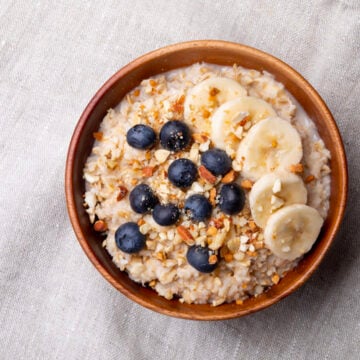
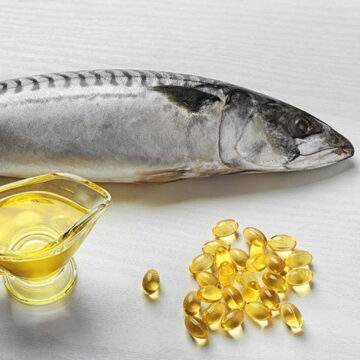
Diet is one of the most effective tools for reducing inflammation naturally. Incorporating a variety of nutrient-dense, whole foods rich in antioxidants and healthy fats provides compounds that counteract inflammation pathways. Fatty fish such as salmon and sardines are rich in omega-3 fatty acids, which have been shown to lower inflammatory markers like C-reactive protein (CRP). Berries, leafy greens, and colourful vegetables supply antioxidants and phytonutrients that neutralize free radicals and protect cells from damage. Whole grains like oats and quinoa stabilize blood sugar and support gut health, while nuts, seeds, and olive oil offer healthy fats that promote cardiovascular health.
Beyond foods to include, reducing or avoiding refined sugars, processed snacks, excessive red meat, and trans fats further reduces dietary triggers for inflammation. Refining your diet over time by prioritizing whole, minimally processed meals can have a powerful cumulative effect on how your body responds to inflammation.
Healthy lifestyle
Movement and physical activity for inflammation control
Regular physical activity is a cornerstone of inflammation management. Exercise such as brisk walking, cycling, swimming, yoga, or even daily stretching improves circulation, lowers fat tissue that can release pro-inflammatory compounds, and helps balance immune responses. Aim for at least 150 minutes of moderate activity each week, but even short walks or gentle movement breaks during sedentary days can contribute meaningfully to reduced inflammation.
Restful sleep and inflammation reduction
Quality sleep is essential for regulating immune function and reducing inflammatory markers. Sleep deprivation increases stress hormones and inflammatory proteins in the body, making restful sleep a key priority. Adults should aim for 7–9 hours nightly, maintain consistent sleep schedules, limit screen time before bed, and create a calming sleep environment to support inflammation control.
Stress management to calm inflammatory responses
Chronic stress triggers the release of cortisol and other stress hormones that keep your system in a prolonged inflammatory state. Incorporating stress-reducing practices such as mindfulness meditation, deep breathing, journaling, or time in nature can help regulate your nervous system, reduce stress hormones, and support overall inflammatory balance.
Hydration and gut health
Staying well-hydrated supports overall metabolic function and helps eliminate toxins that contribute to inflammation. Water also supports healthy digestion and circulation, both of which play a role in how your body handles stressors.
Gut health and systemic inflammation
A healthy gut microbiome is closely linked to lower inflammation. Probiotic-rich foods like kefir, yoghurt, sauerkraut, and kimchi promote a balanced gut flora, while high-fibre foods like beans, lentils, leafy greens, and whole grains support the growth of beneficial bacteria. A balanced gut reduces intestinal permeability and prevents pro-inflammatory compounds from entering the bloodstream.
Supplements and herbs
Certain supplements and botanicals show promise for supporting inflammation control, though they should be used with professional guidance:
- Omega-3 fatty acids from fish oil or flaxseed oil support heart health and lower inflammatory markers.
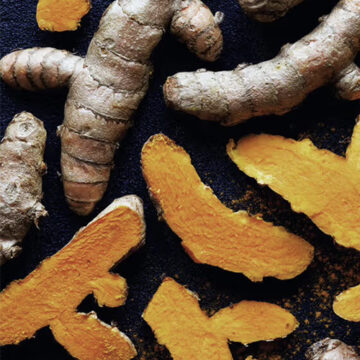
- Curcumin from turmeric acts on inflammatory pathways and offers potent antioxidant benefits.
- Ginger and garlic contain bioactive compounds that reduce inflammation and support immune function.
- Green tea and its compound EGCG provide antioxidant and anti-inflammatory effects when consumed regularly.
Always consult healthcare professionals before beginning new supplements, especially if you take medication or have underlying health conditions.
FAQ
How long does it take to reduce inflammation naturally?
Reducing inflammation is a gradual process and varies by individual. Many people notice improvements in energy, digestion, and discomfort within a few weeks of consistent dietary and lifestyle changes, but long-term habits are key for sustained results.
Can chronic inflammation go away completely?
Chronic inflammation often has multiple underlying triggers. While you may not “cure” it instantly, consistent lifestyle changes, dietary improvements, and regular movement can significantly lower inflammatory markers and improve health outcomes.
Are there quick fixes to reduce inflammation?
There’s no single “quick fix.” Sustainable changes in diet, hydration, sleep, exercise, and stress management collectively create a powerful anti-inflammatory environment in the body over time.
Final thoughts
Reducing inflammation naturally is a holistic process that involves nourishing your body with anti-inflammatory foods, maintaining physical activity, optimizing sleep, managing stress, and supporting gut health. Small, consistent changes to your daily habits can significantly lower inflammation over time and boost overall wellness. By combining dietary strategies with lifestyle adjustments, you can create an environment where your body is better equipped to manage both acute and chronic inflammation.