Medically reviewed by:

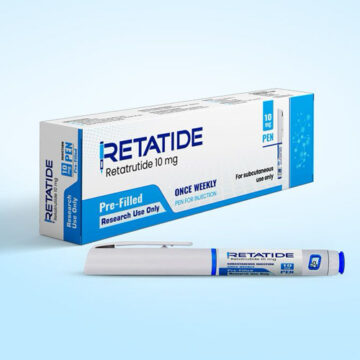
Retatrutide is an experimental peptide that is rapidly gaining attention in the world of metabolic health and obesity treatment. Unlike earlier medications, retatrutide is designed as a triple hormone receptor agonist, targeting GLP-1, GIP, and glucagon receptors simultaneously. This multi-pathway approach is what makes it one of the most promising developments in weight loss science today. Most well-known drugs like semaglutide and liraglutide target only one pathway, while tirzepatide targets two. Retatrutide goes a step further by activating three distinct metabolic pathways, potentially amplifying its effects on weight loss and energy balance. The peptide works by influencing appetite, glucose metabolism, and energy expenditure. GLP-1 reduces hunger and slows gastric emptying, GIP enhances insulin secretion, and glucagon increases energy expenditure by promoting fat breakdown. Together, these effects create a powerful synergy that may lead to substantial weight loss and improved metabolic health.
Early clinical trials have reported remarkable results, with participants achieving weight reductions exceeding 20–24% of their body weight in some cases. These findings position retatrutide as a potential competitor—or even successor—to current leading weight loss medications.
A triple-action approach to fat loss
What makes retatrutide unique is its ability to not only reduce calorie intake but also increase calorie burning. This dual mechanism is rare among weight loss treatments and may explain its superior outcomes compared to earlier drugs.


Retatrutide for weight loss: Breakthrough results or early promise?
The excitement around retatrutide largely stems from its clinical trial data. In phase 2 studies, participants receiving higher doses of retatrutide experienced dramatic weight loss over several months, often surpassing results seen with other medications. Some participants lost nearly a quarter of their total body weight, a level of effectiveness previously achievable mainly through bariatric surgery. This has sparked conversations about whether medications like retatrutide could reshape the future of obesity treatment. Beyond weight loss, retatrutide also shows promise in improving blood sugar control, cholesterol levels, and liver fat, making it relevant for individuals with metabolic syndrome and type 2 diabetes. Its ability to address multiple aspects of metabolic dysfunction simultaneously is a key reason for its growing popularity among researchers.
Critical perspective: Safety, availability, and unknowns
Despite its promising results, retatrutide is still under investigation and has not yet received widespread regulatory approval. This means that long-term safety data is still limited. Early studies have reported side effects similar to other incretin-based therapies, including nausea, vomiting, and gastrointestinal discomfort. There are also concerns about the intensity of its effects. Because retatrutide increases energy expenditure through glucagon activation, researchers are closely monitoring potential impacts on heart rate, metabolism, and muscle mass. Another important consideration is accessibility. Even if approved, advanced peptide therapies are often expensive, raising questions about who will benefit from these innovations.
Weight loss | Topics


Beyond weight loss: Metabolic health and future applications
While weight loss is the most visible benefit, retatrutide’s broader impact on metabolic health may be even more significant. By improving insulin sensitivity and reducing fat accumulation in the liver, it could play a role in managing conditions like type 2 diabetes and non-alcoholic fatty liver disease (NAFLD). Fat stored in the liver is strongly linked to insulin resistance and cardiovascular disease. Reducing liver fat can significantly improve overall metabolic health, even without dramatic weight loss. Researchers are also exploring whether retatrutide could influence energy balance at a cellular level, potentially affecting how the body stores and uses fat long-term. This could mark a shift from simply treating symptoms to addressing the underlying biology of obesity.
The future of peptide-based medicine
Retatrutide represents a broader trend toward precision medicine, where treatments are tailored to specific biological pathways. As our understanding of hormones and metabolism evolves, future therapies may become even more targeted and effective.
However, experts emphasize that medication alone is not enough. Sustainable health outcomes still depend on a combination of nutrition, physical activity, and behavioral changes. Retatrutide may enhance these efforts, but it does not replace them.
Conclusion: Is retatrutide the future of weight loss treatment?
Retatrutide stands at the forefront of a new era in obesity and metabolic care. Its triple-action mechanism offers a powerful approach to weight loss, combining appetite suppression, improved insulin function, and increased energy expenditure. At the same time, it is important to approach this innovation with balanced expectations. While early results are impressive, long-term safety, accessibility, and sustainability remain key questions. Retatrutide is not a miracle cure, but it may become one of the most effective tools available for managing obesity and metabolic disorders.
The development of peptides like retatrutide highlights how modern medicine is increasingly inspired by the body’s own biology, turning natural hormonal systems into powerful therapeutic tools.
FAQ
What is retatrutide used for?
Retatrutide is currently being studied for weight loss and metabolic health, including obesity and type 2 diabetes.
How effective is retatrutide for weight loss?
Clinical trials show potential weight loss of over 20% of body weight, though results vary depending on dosage and individual factors.
Is retatrutide approved for use?
As of now, retatrutide is still in clinical trials and not yet widely approved for general use.
What are the side effects of retatrutide?
Common side effects include nausea, vomiting, and digestive discomfort, similar to other GLP-1-based therapies.
How is retatrutide different from other weight loss drugs?
It targets three hormonal pathways instead of one or two, potentially leading to stronger and more comprehensive metabolic effects.