
Medically reviewed by:

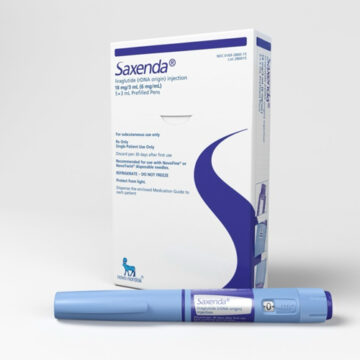
Saxenda, known generically as liraglutide, is a prescription medication designed to assist with weight loss in adults with obesity or overweight conditions. Originally developed for type 2 diabetes under the brand name Victoza, Saxenda works by mimicking a naturally occurring hormone called GLP-1 (glucagon-like peptide-1). This hormone regulates appetite, slows stomach emptying, and helps the brain feel full after eating smaller amounts of food.
GLP-1 receptor agonists like Saxenda were inspired by natural peptides found in the saliva of the Gila monster, a lizard native to the southwestern United States. This unusual source led to a breakthrough in both diabetes and obesity treatment.
Clinical trials show that patients using Saxenda, combined with a reduced-calorie diet and increased physical activity, can lose significantly more weight than with lifestyle changes alone. On average, participants lost around 8–10% of their starting body weight over 56 weeks. For some, weight loss exceeded 15%, improving not only physical appearance but also metabolic health, blood sugar control, and cardiovascular risk factors.
Appetite control at the brain level
Saxenda targets specific areas in the hypothalamus, the brain region responsible for hunger signals. This means that the medication doesn’t just reduce cravings superficially; it alters how your body perceives hunger at a neurological level. This makes sustainable weight management more achievable compared to conventional dieting.
Saxenda for weight loss: Benefits and real-world impact
Saxenda is more than just a diet pill. Its benefits extend across physical, metabolic, and psychological domains. People who take Saxenda often report reduced food cravings, improved portion control, and enhanced energy levels due to better blood sugar stability.
Beyond weight loss, Saxenda can reduce waist circumference, lower triglyceride levels, and decrease liver fat, which are key markers for metabolic syndrome. For people at risk of heart disease, this dual impact on weight and metabolic health is particularly valuable.
Critical perspective: Side effects and limitations
Despite its efficacy, Saxenda is not without potential downsides. The most common side effects include nausea, vomiting, diarrhea, constipation, and headaches, especially in the first few weeks. Some patients may also experience injection site reactions. Rare but serious risks, like pancreatitis, require close medical supervision.
Cost and accessibility can also be barriers. Saxenda is typically more expensive than over-the-counter supplements, and insurance coverage may vary. Importantly, weight regained is common if medication is discontinued without continuing lifestyle interventions. Therefore, Saxenda works best as a tool integrated into a comprehensive weight management plan, not as a standalone solution.


Who can benefit from Saxenda and how to use it safely
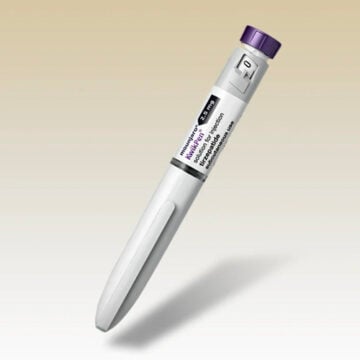
Saxenda is prescribed for adults with a BMI of 30 or higher (obesity) or a BMI of 27+ with weight-related conditions, such as type 2 diabetes, high blood pressure, or high cholesterol. The medication is administered via daily subcutaneous injection, starting at a low dose and gradually increased to minimize side effects.
Saxenda’s weight loss benefits are often amplified when combined with structured dietary plans, behavioral therapy, and regular physical activity. This combination addresses both physiological and behavioral aspects of weight management, improving long-term success rates.
Safety considerations
Saxenda is not recommended for people with a history of medullary thyroid carcinoma, multiple endocrine neoplasia syndrome type 2, or pancreatitis. Pregnant or breastfeeding women should also avoid it. Regular follow-up with a healthcare provider is essential to monitor effectiveness, manage side effects, and adjust dosages appropriately.
Conclusion: Is Saxenda right for you?
Saxenda represents a major advancement in obesity treatment, offering measurable weight loss, appetite control, and metabolic benefits. However, it is not a magic solution. Success depends on integrating medication with lifestyle changes, close medical monitoring, and realistic expectations about long-term maintenance. For individuals struggling with obesity or overweight conditions, Saxenda provides a science-backed option that addresses both body and brain, helping make weight management more attainable.
FAQ
What is Saxenda used for?
Saxenda is used to help adults lose weight and improve metabolic health, particularly for those with obesity or weight-related conditions.
How fast does Saxenda work?
Initial appetite reduction is often noticeable within weeks, while significant weight loss typically occurs over several months.
Is Saxenda safe long-term?
It is considered safe for long-term use under medical supervision, but ongoing monitoring is recommended.
Can weight return after stopping Saxenda?
Yes, some individuals may regain weight if they discontinue the medication without continuing lifestyle changes.
How is Saxenda administered?
Saxenda is injected under the skin once daily, with dosage gradually increased to reduce side effects.