
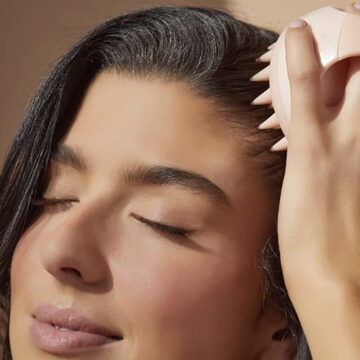
Scalp massage is a simple, low-cost method that may support hair thickness, circulation, and scalp health. While it’s not a miracle cure for hair loss, research and practical experience suggest that regular, mindful scalp stimulation can enhance blood flow to hair follicles, reduce tension, and improve hair quality when combined with proper hair care and nutrition. This guide explains the benefits, techniques, and best practices for scalp massage to help you maximize results.
How scalp massage benefits hair and scalp health
One of the primary effects of scalp massage is enhanced blood circulation. The gentle rhythmic motion increases blood flow to the hair follicles, delivering oxygen and essential nutrients that support follicular function and cellular repair. Improved circulation also helps remove metabolic waste products from the scalp environment, creating conditions that support healthier hair growth cycles. Though results vary by individual, consistent stimulation may help minimize shedding and improve hair density over time.
Stress reduction and hormonal balance
Stress can negatively affect hair growth by triggering inflammation and disrupting the normal hair growth cycle (anagen, catagen, telogen). Scalp massage activates sensory nerves and may stimulate the parasympathetic nervous system, the branch responsible for relaxation. This soothing effect can help reduce cortisol levels and support a more favorable hormonal environment for hair maintenance and growth.
Effective scalp massage techniques
Using clean fingertips (not nails), apply gentle yet firm circular motions across your scalp. Start at the front near the hairline and gradually move toward the crown, temples, and nape. Aim for 5–10 minutes daily. This technique improves circulation and stimulates tactile receptors that help hair follicle activity.
Oil-assisted massages for added nourishment
Some people enjoy enhanced results by combining scalp massage with nutrient-rich oils such as coconut, jojoba, castor, or rosemary oil. These oils contain fatty acids and antioxidants that help moisturize the scalp, reduce dryness, and support follicle environments. Warm a small amount (test temperature first) and massage it gently into the scalp, focusing on areas with thinning hair. Leave on as directed (often 20–60 minutes) before shampooing.
Brush and tool-assisted techniques
Silicone or soft rubber brushes designed for the scalp can further enhance stimulation by distributing pressure more evenly. When used gently, these tools complement manual massage by increasing surface blood flow and exfoliation, helping to remove dead skin cells and buildup.
Integrate scalp massage into a complete hair-care routine
Scalp massage is a simple, evidence-informed practice that may help support thicker, healthier hair when performed regularly and combined with good hair care, nutrition, and stress management. While it cannot reverse all forms of hair loss, integrating mindful massage into your routine promotes circulation, reduces tension, and strengthens your hair-care regimen. As with all hair-health strategies, consistency, proper technique, and realistic expectations empower you to achieve lasting improvements and confidence in your hair health.
Read also

Castor oil benefits: Ancient remedy for skin, hair and welness
Castor oil is a versatile, time-tested natural remedy with benefits for skin hydration, hair growth, inflammation relief, and overall wellness support.
Microneedling for hair growth explained
Microneedling offers a science-backed approach to stimulating hair regrowth by improving scalp health, circulation, and follicle activity.
Rosemary Aromatica Root Enhancer: Does it really work?
Rosemary Aromatica Root Enhancer is marketed as a natural hair growth and scalp revitalization product.

Hair growth oil: Strengthens and thickens your hair
Hair growth oil is a powerful addition to any hair care routine. With regular use can strengthen hair, improve scalp health, and encourage natural regrowth.

Red Light Therapy for hair regrowth
Red light therapy (RLT) is becoming popular for helping with hair loss. But does it really work?

Zinc benefits for hair: Why this mineral matters
Zinc is a vital trace mineral that plays a significant role in keeping your hair healthy and strong. Though often overlooked, zinc deficiency can lead to hair thinning, shedding, and even bald spots.
Hair loss treatment: Powerful solutions to restore your hair
Hair loss treatments are most effective when tailored to the underlying cause and combined with supportive lifestyle measures.