

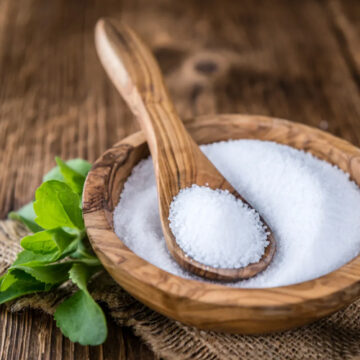
Sucralose is one of the most widely used artificial sweeteners, found in diet drinks, low‑calorie foods, and tabletop sweeteners. Marketed as a sugar‑free alternative that doesn’t raise blood glucose, it seems like an easy swap for people watching calories. However, emerging research suggests that sucralose may not be as benign as once thought.
Understanding sucralose: How it’s used and absorbed
Sucralose is a zero‑calorie artificial sweetener derived from sugar by replacing three hydrogen‑oxygen groups with chlorine atoms. This alteration prevents sucralose from being metabolized for energy, which is why it contributes no calories when consumed. It’s roughly 600 times sweeter than table sugar, allowing manufacturers to use very small amounts to achieve sweetness. Most sucralose passes through the digestive tract unchanged, but some researchers raise concerns about what happens to the small fraction that is absorbed or interacts with gut microbes.
Potential drawbacks and emerging concerns
The gut microbiome plays a crucial role in digestion, immunity, and metabolic processes. Some studies suggest that sucralose may alter the composition and activity of gut bacteria, reducing populations of beneficial microbes and affecting gut barrier function. These changes may contribute to inflammation, digestive discomfort, or impaired metabolic signaling. Research in this area is evolving, and individual responses vary, but the possible disruption to gut balance should be considered when consuming artificial sweeteners regularly.
Blood sugar regulation and appetite signals
Although sucralose does not contain calories, research indicates it may affect post‑prandial (after eating) glucose and insulin responses in some people, particularly when consumed with carbohydrates. This unexpected impact could influence hunger, cravings, and metabolic signals, potentially undermining weight management efforts. Additionally, sweetness without calories may confuse the brain’s expectation of energy, leading to compensatory eating or altered appetite regulation in susceptible individuals.
Taste preferences and over‑sensitivity to sweetness
Consistent exposure to intense sweetness, even from non‑nutritive sources, can recalibrate taste preferences, making less sweet, nutrient‑dense foods (like fruits, vegetables, and whole grains) seem less satisfying. Over time, a heightened preference for sweetness may contribute to cravings and reliance on highly processed products, indirectly affecting dietary quality.
Conclusion
Sucralose may appear convenient as a zero‑calorie sugar substitute, but its long‑term effects are complex and not fully understood. Emerging evidence suggests potential impacts on gut microbiota, metabolic responses, taste preferences, and appetite regulation, especially when consumed frequently and in processed foods. Using sucralose mindfully, focusing on whole‑food nutrition, and exploring natural alternatives can help you balance sweetness with overall well‑being. Prioritizing dietary quality over quick fixes empowers sustainable health and reduces reliance on artificial additives.
Taste preferences and over‑sensitivity to sweetness
Consistent exposure to intense sweetness, even from non‑nutritive sources, can recalibrate taste preferences, making less sweet, nutrient‑dense foods (like fruits, vegetables, and whole grains) seem less satisfying. Over time, a heightened preference for sweetness may contribute to cravings and reliance on highly processed products, indirectly affecting dietary quality.