
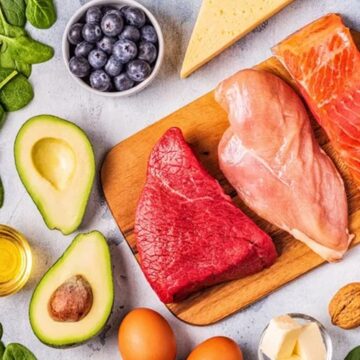
Protein is essential for muscle growth, repair, and recovery. Whether you’re an athlete, strength-training enthusiast, or simply want to preserve lean mass, including high-quality protein sources in your diet helps stimulate muscle protein synthesis, maintain metabolic health, and support overall performance. This guide explores the best protein foods and how to incorporate them into balanced meals for effective muscle building.
Top protein sources to maximize muscle growth
Lean animal proteins with complete amino acids
Lean animal proteins, such as chicken breast, turkey, lean beef, fish, eggs, and low-fat dairy, provide all nine essential amino acids required for muscle protein synthesis. These “complete” proteins are rapidly absorbed and highly effective for post-workout recovery. For example, whey protein from dairy is rich in leucine, a key amino acid that directly triggers muscle growth pathways. Choosing lean options also helps maintain a lean physique by minimizing excess fat intake.
Plant-based proteins that support muscle health
Plant-based diets can also supply high-quality protein when properly planned. Foods like lentils, chickpeas, quinoa, tofu, tempeh, and edamame are rich in amino acids, fibre, and micronutrients. While some plant proteins are lower in one or more essential amino acids, combining different sources, such as rice and beans or hummus with whole-grain pita, can create complete protein profiles. Plant foods also offer antioxidants and anti-inflammatory compounds that support recovery and overall health.
Special considerations for different goals
If your goal includes fat loss while preserving muscle, prioritizing high-quality protein helps maintain lean mass in a calorie deficit. Foods like Greek yoghurt, lean meats, and legumes deliver satiating protein with minimal excess calories, making them ideal for body recomposition.
Aging and muscle maintenance
As we age, the body becomes less efficient at utilizing protein (“anabolic resistance”), making higher protein intake even more important to preserve muscle and function. Including easily digestible proteins, such as eggs, dairy, and plant-based blends, throughout the day supports muscle health and metabolic resilience.
Conclusion
Selecting the right protein foods and structuring intake strategically can significantly enhance your muscle-building efforts. Lean animal proteins deliver complete amino acid profiles, while plant-based sources offer valuable nutrients and flexibility for diverse diets. Timing, variety, and balance with carbohydrates and fats are essential for optimizing performance, recovery, and long-term results. Combine these dietary approaches with consistent training and quality sleep to fully fuel your gains and support overall health.
Read also

Foods that improve skin health naturally
Best foods that support skin health from the inside out: nutrients that boost hydration, collagen production, antioxidant defense, and resilience against aging.

Fiber and digestion: What does it actually do?
Fiber does far more than prevent constipation. Discover how soluble and insoluble fiber support your gut bacteria, digestion, and long-term health.

Understanding omega-3 fatty acids and health
Learn what omega-3 fatty acids are, their benefits, food sources, and whether supplements are necessary.

Foods for heart health: What really works
Heart disease is the world’s leading killer, but your diet is one of the most powerful tools against it. Discover which foods protect your heart and why they work.

Ultra-processed carbs: What they do to your brain
Snacking isn’t the real problem, ultra-processed carbohydrates are. New research shows they affect memory, focus, and long-term brain health.

Sober Margarita: Healthy benefits explained
Fitness coach Dan Go recently shared one of his favorite drinks on X — a simple mix he calls “The Sober Margarita.”

Does kimchi really strengthen your immune system
Explore how kimchi may support immune function, gut health, and overall wellbeing.

Social media is aging you: The hidden “health tax” explained
While social media offers connection and entertainment, heavy use carries quantifiable biological costs.

6 super seeds and their proven health benefits
Seeds are undeniably nutrient-dense and versatile, offering fiber, healthy fats, antioxidants, and plant-based protein.

Kombucha benefits: What science actually says
Kombucha may offer gut-supportive probiotics, antioxidant benefits, and metabolic support, especially when consumed in moderation.

Guava health benefits: Immune, heart, and skin
Guava is more than a tropical treat, it’s a nutrient-dense fruit with impressive benefits for immunity, digestion, heart health, and skin support.

Ginger benefits: Natural wellness and healing powerhouse
Ginger is more than a flavorful spice; it is a versatile natural remedy with scientifically supported benefits.

Vitamin D3: Essential nutrient for immunity and bones
Vitamin D3 is more than a bone nutrient; it is a key player in immunity, mental well-being, muscle function, and overall health.

Bone broth explained: Collagen, digestion, and immune health
Bone broth is a combination of collagen, amino acids, and minerals supports digestion, joint health, skin quality, and overall recovery.

How to reduce inflammation naturally
Reduce inflammation naturally with anti-inflammatory foods, regular movement, better sleep, stress control, and habits that support gut and overall health.

Goji berries health benefits
Goji berries, also known as wolfberries, have been used for thousands of years in traditional Chinese medicine.

Ginseng health benefits: Energy, immunity, and longevity
Ginseng has been used for thousands of years in traditional medicine, especially in Asia and North America.

Healing foods: What to eat to help your body recover naturally
Healing foods are packed with nutrients that support the body’s natural repair systems, reduce inflammation, and strengthen immunity.

8 healthy snacks to lose weight
Losing weight doesn’t mean you have to give up snacking. In fact, healthy snacks can help manage hunger, prevent overeating, and support your metabolism.

The role of whole foods in a healthy diet
Whole foods are foods that are as close to their natural form as possible. They’re free from added sugars, preservatives, flavorings.

Keto diet explained: How it works and benefits
The keto diet, short for ketogenic diet, is a low-carb, high-fat eating plan designed to shift your body into a state called ketosis.

Maracuyá health benefits: Colombia’s superfruit
Maracuyá, also known as passion fruit. In Colombia, this vibrant yellow fruit is a staple, and it’s packed with powerful health benefits.

5 health benefits of eating apples
Packed with fiber, vitamin C, and antioxidants, apples help boost immunity, aid digestion, and support heart health.

Magnesium: A natural relief for headaches
Studies show that magnesium deficiency is common in people who suffer from migraines, and supplementing with it may help reduce headaches.

The truth about alkaline water
Alkaline water has a higher pH level than regular drinking water. It's also often enriched with minerals like calcium, potassium, and magnesium.

Zinc benefits for hair: Why this mineral matters
Zinc is a vital trace mineral that plays a significant role in keeping your hair healthy and strong. Though often overlooked, zinc deficiency can lead to hair thinning, shedding, and even bald spots.

Carbohydrates: The key to energy and health
Carbohydrates are an essential macronutrient found in foods like bread, rice, pasta, fruits, and vegetables.

Healthy fats: How they support your health
Fats are essential macronutrients found in various foods, including nuts, oils, avocados, and butter.

How coffee can improve your health
Coffee is more than just a comforting beverage; it offers a wide range of health benefits when consumed in moderation.

Fat‑burning foods to boost metabolism & support weight loss
Incorporating fat‑burning foods into your daily diet is an effective way to support metabolism, control appetite, and enhance weight‑management efforts.

Dark chocolate: Improves blood circulation and protects the heart
Dark chocolate is rich in flavonoids, which improve blood circulation, lower blood pressure, and protect the heart.

Leafs that can improve your brain health
The nitrates in greens improve blood flow and support heart function.