
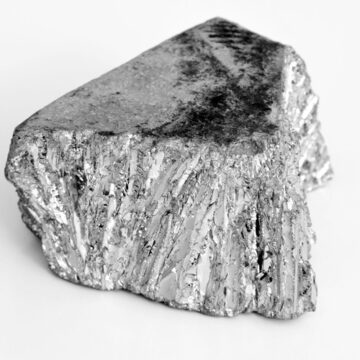
Zinc is a vital trace mineral that plays a crucial role in many body processes, including hair growth, immune function, and cellular repair. While we only need zinc in small amounts, a deficiency can significantly impact hair health, contributing to thinning, shedding, and slow regrowth. Understanding how zinc affects your hair at a biological level can help you make smarter dietary and lifestyle choices to support stronger, fuller locks.
The role of zinc in hair biology
Zinc participates in protein synthesis and cell division, both fundamental for hair follicle growth. Hair follicles go through active growth (anagen), transitional (catagen), and resting (telogen) phases. Zinc helps regulate this cycle and supports healthy progression from one phase to the next. When zinc levels are low, the hair growth cycle can be disrupted, leading to increased shedding and delayed regrowth.
Antioxidant support and scalp health
Zinc also contributes to antioxidant defense, helping neutralize free radicals that can damage hair cells. Additionally, it supports immune function, which may help maintain a balanced microbial environment on the scalp. A healthier scalp environment reduces inflammation, irritation, and excessive shedding, common contributors to weakened hair.
Evidence‑based benefits of zinc for hair
Clinical studies suggest that maintaining adequate zinc levels supports hair cohesion and anchoring in the scalp. A deficiency can result in telogen effluvium, a form of shedding linked to stress on the hair growth cycle. Replenishing zinc through diet or supplements (when appropriate) may help reduce shedding and support retention of existing hair.
Supports protein and keratin synthesis
Keratin, the primary protein in hair strands, depends on enzymes that require zinc as a cofactor. By supporting these enzymatic pathways, zinc helps ensure that hair fibers form correctly, making them more resilient to breakage and mechanical stress.
How to get the right amount of zinc for hair health
Food sources rich in zinc
Zinc is found naturally in a variety of foods. High‑quality sources include oysters (one of the richest sources), beef, pumpkin seeds, lentils, chickpeas, and fortified cereals. Combining zinc‑rich foods with a balanced diet helps ensure adequate intake without excessive supplementation.
Supplementation and safety considerations
While many people can meet their zinc needs through food, some individuals — especially those with dietary restrictions, digestive disorders, or higher physiological needs — may benefit from supplements. Always consult a healthcare provider before starting zinc supplementation, as excessive zinc can interfere with copper absorption and lead to imbalances.
Why zinc matters for long‑term hair health
Zinc is more than a trace mineral, it’s a fundamental nutrient that supports hair growth, follicle integrity, and scalp health. Adequate zinc intake helps regulate the hair growth cycle, supports keratin synthesis, and contributes to antioxidant defenses that protect hair cells. By combining zinc‑rich foods with a balanced diet, and considering supplements only when medically advised, you can create a strong foundation for healthier, more resilient hair. Prioritizing essential minerals like zinc is a key component of long‑term hair wellness and overall vitality.

Guava health benefits: Immune, heart, and skin
Guava is more than a tropical treat, it’s a nutrient-dense fruit with impressive benefits for immunity, digestion, heart health, and skin support.
Read also

Castor oil benefits: Ancient remedy for skin, hair and welness
Castor oil is a versatile, time-tested natural remedy with benefits for skin hydration, hair growth, inflammation relief, and overall wellness support.
Microneedling for hair growth explained
Microneedling offers a science-backed approach to stimulating hair regrowth by improving scalp health, circulation, and follicle activity.
Rosemary Aromatica Root Enhancer: Does it really work?
Rosemary Aromatica Root Enhancer is marketed as a natural hair growth and scalp revitalization product.

Hair growth oil: Strengthens and thickens your hair
Hair growth oil is a powerful addition to any hair care routine. With regular use can strengthen hair, improve scalp health, and encourage natural regrowth.

Red Light Therapy for hair regrowth
Red light therapy (RLT) is becoming popular for helping with hair loss. But does it really work?

Scalp massage for thicker hair: Easy techniques that work
Looking to boost hair growth naturally? Scalp massage might be the simple secret you’re missing.
Hair loss treatment: Powerful solutions to restore your hair
Hair loss treatments are most effective when tailored to the underlying cause and combined with supportive lifestyle measures.