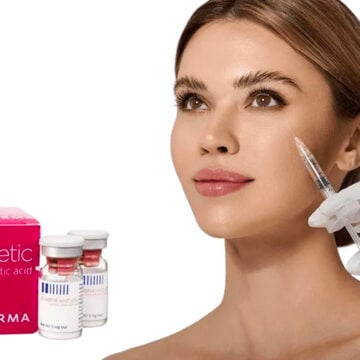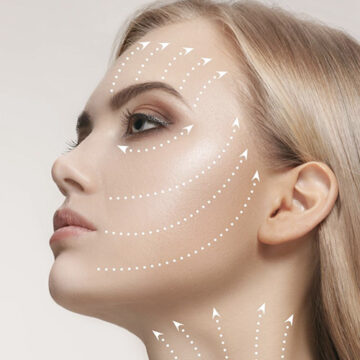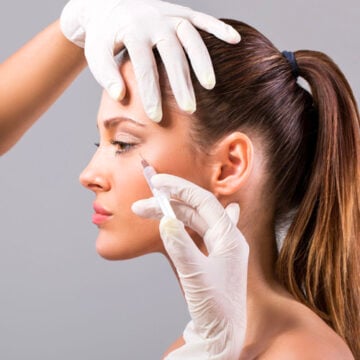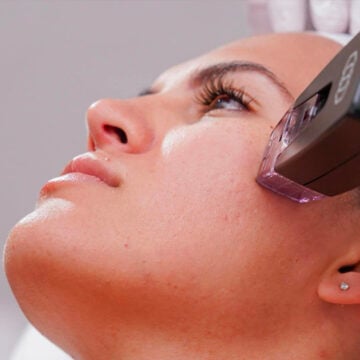
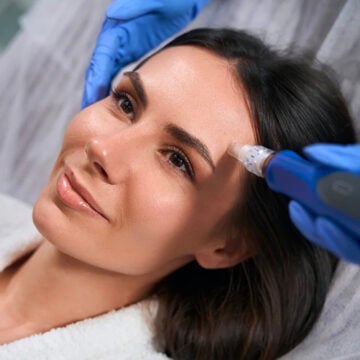
Microneedling is a minimally invasive cosmetic treatment designed to improve skin texture, smooth fine lines, reduce scars, and promote overall skin rejuvenation. By creating controlled micro-injuries in the skin’s surface, microneedling stimulates the body’s natural healing response, boosting collagen and elastin production. Whether used on the face, neck, or body, this therapy has become a cornerstone of modern skin care for individuals seeking effective, non-surgical results.
How microneedling works to renew skin
Microneedling uses sterile, fine-gauge needles to create tiny channels in the skin’s top layer. These controlled micro-injuries trigger the body’s healing mechanisms, prompting fibroblasts to produce new collagen and elastin, two essential proteins for skin elasticity and firmness. As a result, skin texture improves, fine lines soften, and scars become less noticeable over time. Unlike more aggressive resurfacing treatments, microneedling works at multiple depths, allowing for personalized treatment plans based on individual skin concerns.
Why skin renewal matters
Collagen and elastin decline naturally as we age, leading to sagging, wrinkles, and loss of resilience. Microneedling reverses this decline by encouraging the body’s innate repair systems, creating firmer, smoother, and more evenly toned skin. Combining supplementation such as collagen powder with clinical treatments can deliver more consistent and longer-lasting outcomes.
Key benefits of microneedling treatment
Microneedling is widely recognized for its ability to soften fine lines and early signs of aging. By stimulating dermal collagen remodelling, the treatment improves elasticity and smoothness without the need for injections or surgery. Results build gradually over a series of sessions and are cumulative with consistent treatment plans.
Improvement in acne scars and texture irregularities
Scars from acne, trauma, or previous surgery can be difficult to treat with creams or superficial exfoliation alone. Microneedling targets these concerns at deeper levels by promoting tissue regeneration and evening out surface irregularities. Over time, areas that once appeared pitted or uneven show visible improvement.
Enhanced absorption of topical products
The micro-channels created during microneedling temporarily increase the skin’s ability to absorb active ingredients. Applied serums and creams penetrate more deeply during and immediately after treatment, enhancing their effectiveness and optimizing results.
Minimizing enlarged pores and dullness
Regular microneedling treatments can refine pore appearance and promote a brighter, more radiant complexion. As collagen strengthens the skin matrix, pores appear tighter and skin tone evens out.
Safety considerations and potential side effects
Microneedling is considered safe when performed by trained professionals. Choosing a licensed clinician helps ensure sterile technique, appropriate depth settings, and personalized treatment plans. Professional assessments reduce the risk of adverse outcomes and help tailor the procedure to your skin’s unique needs.
Possible side effects and when to consult a professional
Temporary redness, swelling, and mild discomfort are common post-treatment effects. Rarely, more significant irritation or infection can occur if aftercare is not followed. Consult your provider if you notice persistent redness, unusual pain, or signs of infection.
FAQ: common questions about microneedling
How many microneedling sessions do most people need?
Individual needs vary, but many people benefit from a series of 3–6 treatments to achieve long-lasting results. Maintenance sessions every 6–12 months help sustain collagen production as the skin continues to age.
Is microneedling painful?
Most patients report mild discomfort during the procedure, typically managed with a topical numbing cream. Many describe the sensation as a mild pricking or tingling rather than pain.
Can microneedling help with pigmentation concerns?
Microneedling can improve mild pigmentation irregularities by promoting skin renewal and improved cell turnover. However, deeper pigmentation concerns may require adjunctive treatments like chemical peels or laser therapy.