Medically reviewed by:

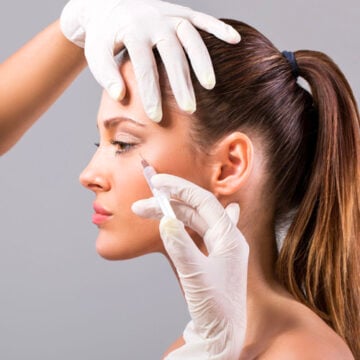
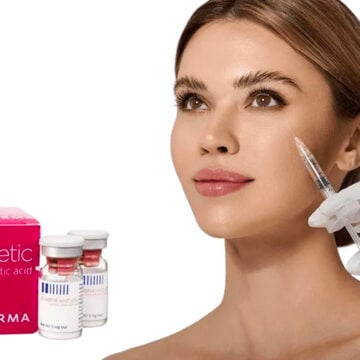
Botox is a popular cosmetic and therapeutic treatment derived from botulinum toxin. It works by temporarily relaxing targeted muscles, reducing the appearance of wrinkles, fine lines, and other facial expressions. Beyond aesthetic purposes, Botox also has medical applications for conditions such as migraines, excessive sweating, and muscle spasms. Understanding Botox, its benefits, treatment process, and safety considerations can help you make informed decisions about this procedure.
How Botox works
Botox is a purified protein that temporarily blocks nerve signals to specific muscles, causing them to relax. This reduces the formation of dynamic wrinkles caused by facial expressions, such as frown lines, forehead lines, and crow’s feet. The effects of Botox usually last between three to six months, after which follow-up treatments are recommended to maintain results.
Medical and cosmetic uses of Botox
Botox is widely used in both cosmetic and medical settings. Cosmetic applications focus on smoothing wrinkles and rejuvenating facial appearance. Medically, Botox can treat chronic migraines, excessive sweating (hyperhidrosis), muscle spasticity, and certain eye disorders. Its versatility makes it a valuable treatment for multiple conditions.
Benefits of Botox
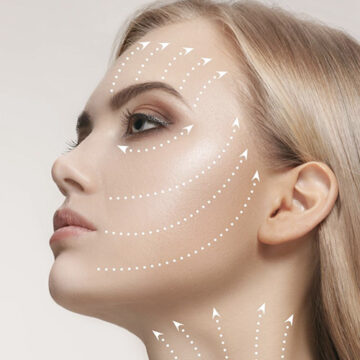
Botox helps reduce fine lines and wrinkles caused by repeated facial movements. By relaxing targeted muscles, it smooths the skin and provides a youthful appearance without surgery. The procedure is minimally invasive, requires little downtime, and produces noticeable results within a few days.
Therapeutic benefits of Botox
In addition to aesthetic improvements, Botox has therapeutic benefits. It can relieve tension headaches, reduce chronic migraine frequency, manage muscle spasms, and control excessive sweating. Patients seeking functional relief as well as cosmetic enhancement may benefit from Botox treatments.
Psychological and confidence benefits
Many patients report increased confidence and improved self-esteem following Botox treatment. Reducing visible wrinkles can enhance facial symmetry and create a refreshed appearance, positively impacting overall well-being.
Safety, risks, and precautions
Botox is generally safe when administered by a licensed and experienced practitioner. Possible side effects include mild bruising, swelling, or headache. Rare complications may occur if injected improperly. Patients should discuss any medical conditions, allergies, or medications with their provider before treatment.
Who should avoid Botox
Pregnant or breastfeeding women, individuals with certain neuromuscular disorders, or those with allergies to botulinum toxin should avoid Botox treatments. A thorough consultation helps determine suitability and minimize risks.