
Medical weight loss

How medical weight loss supports results
[wpfa5s icon=”fa-square-check”] Personalized, doctor-guided treatment
[wpfa5s icon=”fa-square-check”] Reduced appetite and cravings
[wpfa5s icon=”fa-square-check”] Safer, medically monitored weight loss
[wpfa5s icon=”fa-square-check”] Supports long-term health and sustainability
Medical weight loss combines prescription medications, clinical supervision, and personalized nutrition or lifestyle plans to support long-term, sustainable results. Unlike fad diets or self-directed programs, medical approaches are designed to treat the underlying biological and metabolic factors that make weight management difficult.
What is medical weight loss?
Medical weight loss refers to physician-guided programs that use approved prescription treatments, laboratory assessments, and structured coaching to promote fat loss, protect lean muscle, and improve overall health.
These programs are typically managed by specialists in obesity medicine, endocrinology, or preventive health.
Core components include:
- Comprehensive health assessment and metabolic screening
- Prescription medication (if clinically appropriate)
- Nutrition and exercise guidance
- Ongoing medical monitoring
- Behavioral and lifestyle counseling
Prescription weight loss treatments
Modern medical weight management includes several approved medications that target appetite, metabolism, and insulin sensitivity. These are prescribed only after proper evaluation by a healthcare professional.
GLP-1 Agonists
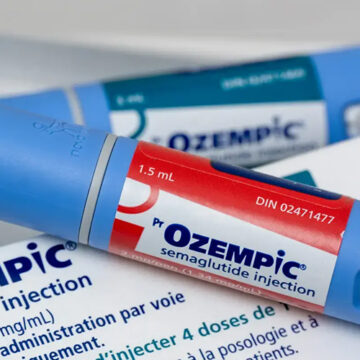
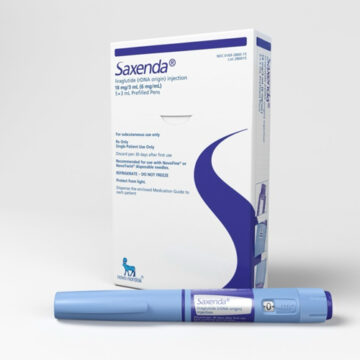
Examples include: semaglutide (Ozempic, Wegovy), liraglutide (Saxenda), and tirzepatide (Mounjaro, Zepbound).
These medications mimic a natural hormone (GLP-1) that helps regulate blood sugar and appetite, leading to reduced calorie intake and improved satiety.
Benefits:
- Effective appetite control and steady weight reduction
- Improved insulin sensitivity and blood sugar regulation
- Shown to reduce cardiovascular risk factors in some patients
Clinical Programs and Monitoring
Medical weight loss isn’t limited to medication. Many clinics combine prescription therapy with structured programs for lasting outcomes.
Typical components include:
- Regular check-ins with a clinician or nutritionist
- Body composition and metabolic tracking
- Nutrition and physical activity plans
- Adjustment of treatment as needed to prevent plateaus
- Education on long-term maintenance and relapse prevention
These programs aim not only to achieve weight loss but also to improve metabolic health markers such as blood sugar, cholesterol, and blood pressure.
Nutrition and lifestyle integration
Medication alone is not a cure for obesity or metabolic disease. The most effective outcomes occur when pharmacologic treatments are combined with behavioral and lifestyle changes.
Supportive strategies:
- Adopting a balanced, protein-rich diet
- Engaging in regular physical activity tailored to ability
- Practicing mindful eating to reduce emotional triggers
- Ensuring adequate sleep for hormonal balance
- Monitoring stress, which can influence appetite and metabolism
Safety and Professional Oversight
Every medical weight loss plan should be personalized and monitored by a qualified clinician.
Regular evaluations help track progress, adjust dosage, and manage side effects such as nausea or fatigue that may occur with certain medications.
Patients with diabetes, cardiovascular disease, or thyroid conditions should always consult a specialist before beginning treatment.
Medicines
Frequently Asked Questions
Who qualifies for medical weight loss treatments?
These programs are typically recommended for individuals with a BMI ≥ 30, or ≥ 27 with related health issues such as diabetes or high blood pressure.
How long do prescription treatments need to be used?
Duration varies. Some medications are used short-term, while GLP-1 treatments may be continued for longer under medical supervision to maintain results.
Can lifestyle changes replace medication?
For some, lifestyle adjustments alone are sufficient. However, medical therapy can be a useful tool for those struggling with metabolic or hormonal barriers to weight loss.
Clinics
[directorist_all_listing directory_type=”clinics” view=”grid” listings_per_page=”3″ columns=”3″ header=”no” tag=”medical-weight-loss”]
Blog
Mounjaro weight loss explained
Mounjaro represents a new generation of medical weight loss therapy, offering powerful appetite control and metabolic support.
Wegovy: Powerful weight loss solution or overhyped?
Wegovy represents a powerful medical tool for weight management, especially for individuals who have struggled with traditional methods.

Medical weight loss: Medical programs for lasting results
Medical weight loss programs go beyond typical diets and exercise plans. They are supervised by healthcare professionals.

Is Ozempic dangerous? What you need to know
Is Ozempic dangerous? Discover the science behind its benefits, side effects, and risks for diabetes and weight loss.
8 healthy snacks to lose weight
Losing weight doesn’t mean you have to give up snacking. In fact, healthy snacks can help manage hunger, prevent overeating, and support your metabolism.