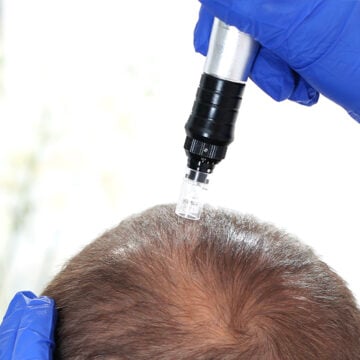
Microneedling has gained attention as a promising treatment for hair thinning and early hair loss. By creating controlled micro-injuries in the scalp, microneedling activates the body’s natural healing response, improving circulation and stimulating growth factors that support healthier hair follicles. When used alone or combined with other hair treatments, microneedling may help improve hair density, thickness, and overall scalp health.
How microneedling supports hair regrowth
Microneedling works by triggering collagen production and increased blood flow in the scalp. These micro-injuries stimulate growth factors that can reactivate dormant hair follicles and improve nutrient delivery to the roots. Additionally, microneedling enhances the absorption of topical treatments, making hair growth products more effective when applied after a session.
Clinical studies suggest that consistent microneedling may be particularly beneficial for individuals experiencing androgenetic alopecia or diffuse thinning, especially when started early.
Natural stimulation without surgery
One of the main advantages of microneedling for hair growth is that it is minimally invasive and drug-free. Benefits include improved scalp circulation, stronger hair shafts, and increased hair density over time. The treatment also supports scalp health by reducing inflammation and improving skin texture, creating a better environment for hair growth.
Microneedling can be safely combined with treatments such as minoxidil, PRP therapy, or natural oils to enhance results while maintaining a natural appearance.
What to expect from scalp microneedling
Scalp microneedling sessions are typically performed every two to four weeks, depending on the treatment plan. The procedure is well-tolerated, with mild redness or sensitivity that usually resolves within 24 hours. Visible improvements in hair thickness and density often appear after three to six months of consistent treatment.
When performed by trained professionals or with proper at-home devices, microneedling is considered safe. Following post-treatment care recommendations is essential to minimize irritation and maximize results.
Is microneedling effective for hair growth?
Microneedling offers a science-backed approach to stimulating hair regrowth by improving scalp health, circulation, and follicle activity. While results vary among individuals, consistent treatments combined with supportive hair care and healthy lifestyle habits can lead to noticeable improvements. For best outcomes, microneedling should be part of a personalized hair restoration plan guided by professionals.